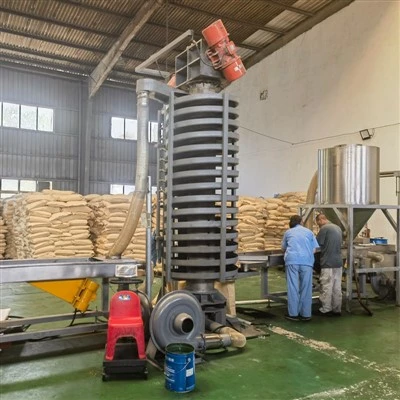
Troubleshooting a Horizontal Mixer that is not working properly can be a daunting task, but with the right approach, you can quickly identify and resolve the issue. As a leading supplier of Horizontal Mixers, we have extensive experience in dealing with various problems that may arise during the operation of these machines. In this blog post, we will share some practical tips and techniques to help you troubleshoot your Horizontal Mixer effectively.
Understanding the Basics of a Horizontal Mixer
Before we dive into troubleshooting, it's essential to have a basic understanding of how a Horizontal Mixer works. A Horizontal Mixer is a type of industrial mixer that consists of a horizontal trough or chamber with a rotating shaft and mixing blades. The rotating blades move the materials in the trough, ensuring thorough mixing and blending. These mixers are commonly used in industries such as food processing, pharmaceuticals, chemicals, and plastics to mix dry powders, granules, pastes, and liquids.
Common Problems and Their Solutions
1. Mixer Not Starting
- Electrical Issues: The first thing to check when the mixer won't start is the electrical supply. Ensure that the power switch is turned on, and the circuit breaker hasn't tripped. Check the power cord for any signs of damage or loose connections. If the mixer is connected to a control panel, make sure all the settings are correct.
- Motor Problems: A faulty motor can also prevent the mixer from starting. Listen for any unusual noises coming from the motor, such as humming or grinding. If you suspect a motor problem, it's best to contact a professional technician for further diagnosis and repair. You can find some useful information about motor troubleshooting in industrial equipment on relevant technical manuals.
- Overload Protection: Some mixers are equipped with overload protection devices that automatically shut off the motor if it is overloaded. Check if the overload protection has been triggered. If so, reduce the load in the mixer and reset the protection device according to the manufacturer's instructions.
2. Uneven Mixing
- Blade Wear or Damage: Over time, the mixing blades can wear out or get damaged, leading to uneven mixing. Inspect the blades for signs of wear, such as chipping or bending. If the blades are worn or damaged, they should be replaced. You can refer to the mixer's user manual for instructions on how to replace the blades.
- Incorrect Blade Configuration: Make sure that the blades are installed correctly and in the proper position. Different types of materials may require different blade configurations for optimal mixing. Consult the mixer's documentation or contact our technical support team for guidance on the appropriate blade setup.
- Inadequate Mixing Time: Sometimes, uneven mixing can be simply due to insufficient mixing time. Check the recommended mixing time for the materials you are using and adjust the mixer's operation accordingly. Increasing the mixing time may improve the mixing quality.
3. Excessive Noise or Vibration
- Loose Components: Excessive noise or vibration can be caused by loose components in the mixer. Check all the bolts, nuts, and screws that hold the mixer together. Tighten any loose fasteners to reduce the noise and vibration.
- Imbalanced Rotating Parts: An imbalanced rotating shaft or blades can also lead to excessive vibration. Inspect the rotating parts for any signs of damage or misalignment. If necessary, have the parts balanced by a professional.
- Worn Bearings: Worn bearings can cause noise and vibration in the mixer. Listen for a grinding or squealing noise, which may indicate bearing problems. If you suspect worn bearings, they should be replaced as soon as possible to prevent further damage to the mixer.
4. Leakage
- Seal Damage: Leakage can occur if the seals in the mixer are damaged or worn out. Check the seals around the shaft, doors, and other openings for any signs of leakage. Replace any damaged seals with new ones to prevent further leakage.
- Improper Installation: Incorrect installation of the mixer can also lead to leakage. Make sure that the mixer is installed on a level surface and all the connections are properly tightened. Refer to the installation manual for the correct installation procedures.
Preventive Maintenance
Regular preventive maintenance is crucial to keep your Horizontal Mixer in good working condition and minimize the risk of problems. Here are some preventive maintenance tips:


- Cleaning: Clean the mixer after each use to remove any residual materials. Use a suitable cleaning agent and follow the manufacturer's instructions for cleaning.
- Lubrication: Lubricate the moving parts of the mixer regularly to reduce friction and wear. Use the recommended lubricant and follow the lubrication schedule provided in the user manual.
- Inspection: Conduct regular inspections of the mixer to check for any signs of wear, damage, or loose components. Replace any worn or damaged parts promptly to prevent further problems.
- Calibration: Periodically calibrate the mixer to ensure accurate mixing performance. Follow the calibration procedures outlined in the user manual.
Related Products and Their Applications
In addition to Horizontal Mixers, we also offer a range of other industrial equipment, such as Hot Feed Rubber Extruder, Rubber Mixing Mill Machine, and XJL - 150 Double Wrist Feed Rubber Strainer Extruder Machine. These products are widely used in the rubber processing industry for various applications, including rubber compounding, extrusion, and straining.
Contact Us for More Information
If you are experiencing problems with your Horizontal Mixer or have any questions about our products, our team of experts is here to help. We can provide you with technical support, troubleshooting advice, and replacement parts. Whether you are looking to purchase a new Horizontal Mixer or need assistance with an existing one, we are committed to providing you with the best solutions. Contact us today to discuss your requirements and start a procurement negotiation. We look forward to working with you to meet your industrial mixing needs.
References
- Manufacturer's User Manuals for Horizontal Mixers
- Industrial Equipment Maintenance Guides
- Technical Papers on Mixing Technology