


Rubber Recycling Equipment
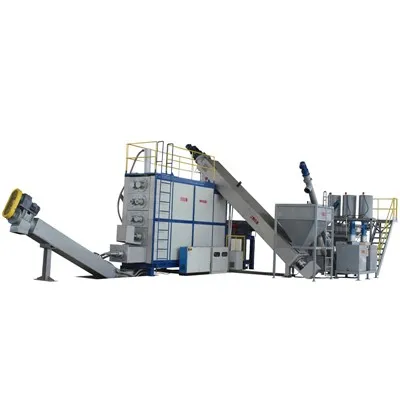
Rubber recycling equipment is designed to reclaim rubber material from a variety of sources such as tires, conveyor belts, and other rubber products that have reached the end of their useful life. This equipment is essential for businesses that generate or collect rubber waste, as it facilitates the transformation of this waste into reusable raw materials. The process of rubber recycling is crucial for environmental sustainability, as it helps to reduce the strain on natural rubber resources and minimizes the burden on landfills.
Advantages of Rubber Recycling Equipment
The growing problem of rubber waste
Discarded rubber occupy massive space in landfills, and their non-biodegradable nature means they can take hundreds of years to break down. Moreover, stockpiles of old rubber pose fire risks and can serve as breeding grounds for disease-carrying pests. In light of these issues, a trubber recycling equipment is a practical solution for businesses sustainable waste management practices.
Environmental benefits of rubber recycling
Recycling rubber reduces the environmental impact of rubber waste. A rubber recycling equipment allows the rubber to be broken down into smaller, reusable components. These recycled materials can be used in various applications, such as road construction, playground surfaces, and new rubber products. By recycling, we conserve natural resources and decrease the demand for raw materials. This ultimately lowers energy consumption and reduces pollution associated with manufacturing new rubber from scratch.
Cost-effectiveness and resource recovery
One of the key reasons to invest in a rubber recycling equipment is its potential for resource recovery and cost savings. Recycled rubber can be processed into high-demand products like rubber mulch, crumb rubber, and rubberized asphalt. These products can be sold or repurposed, offering a significant return on investment. Additionally, using recycled materials helps businesses cut down on the cost of acquiring new raw materials. The initial investment in a rubber recycling equipment can lead to long-term financial benefits by turning waste into a valuable resource.
Reduction of carbon footprint
Using a rubber recycling equipment plays a crucial role in reducing the carbon footprint of rubber disposal. Rubber incineration, which is an alternative to landfilling, releases harmful gases and toxins into the atmosphere, contributing to air pollution and greenhouse gas emissions. Recycling rubber, on the other hand, prevents these emissions and allows for the creation of eco-friendly products.


Our Factory
Our company is located in Wuxi, JiangSu Province, 150 kilometers away from Shanghai, Nanjing, north of the Yangtze River, transportation is very convenient. We mainly engaged in the research and development, production and sales of rubber machinery and metal products.
Production Market
Our products have been sold to Southeast Asia, North Asia, Eastern Europe, Australia, America and other markets; Achievements: tire recycling equipment in Malaysia; tire recycling production line in Russia, Ukraine and Turkey; tire recycling rubber asphalt modifier production line in New Zealand , etc
Our Certificate
GB/T19001-2016/ISO9001:2015 QUALITY MANAGEMENT SYSTEM CERTIFICATION.Patent number:ZL 2019 2 1443405.7 ZL 2019 2 1443434.3 ZL 2019 2 1443437.7 ZL 2019 2 1443820.2
After Sale
● Provide guidance information and technical assistance for users to install and debug the products sold free of charge;
● Our company is equipped with a high-quality after-sales service team based on technical personnel, in receiving the feedback of users, in the shortest time to make the satisfactory reply and processing;
● Our product warranty period of one year; After the one-year warranty period, the lifetime maintenance of the products sold is guaranteed;
● Our company regularly visits users to understand the use of products and help solve various problems that may be encountered in the process of use. At the same time to solicit suggestions for quality and technical improvements, in order to better serve users;
Types of Rubber Recycling Equipment
Shredders: The Heart of Rubber Recycling
Rubber shredders play a pivotal role in the initial stages of rubber recycling, breaking down whole rubber into manageable pieces. Shredders usually rely on gravity to assist in the process. Thus, rubber need to be lifted by a mechanical arm or conveyor belt to the right height. High-quality shredders are versatile, accommodating various rubber sizes and types, such as off-road rubber or tractor rubber. Before purchasing a shredder, consider its processing capacity, durability, and maintenance requirements. These characteristics directly influence how much you can produce per day.
Granulators: Refining the Output
Granulators pick up the shredded rubber and refine the rough pieces into uniform bits called granules. These granules are the foundation for creating a range of products, from rubberized asphalt to molded rubber goods. Look for granulators that offer precision and consistency in the shredding process. How pure your granules are directly determines how much they are worth in the market.
Crumb Rubber Systems: From Marbles to Sand
Crumb rubber machines take granules a step further, producing high-quality crumb rubber or rubber powder. This versatile material serves as a raw ingredient for countless marketable products, including athletic surfaces, construction materials, and high-quality asphalt.
Pyrolysis Equipment: Transforming Rubber into Oil and Gas
Pyrolysis is an innovative approach that involves heating rubber in the absence of oxygen to produce oil, gas, and carbon black. This method offers an alternative route for rubber recycling, generating valuable resources for various industrial applications. This equipment can be costly, but the outputs are very profitable. It’s impressive how junky rubber can seemingly turn to gold with the right system in place.
Profitable Add-Ons: A Splash of Color
Add-ons to a recycling line can elevate the versatility and marketability of the end products. One notable enhancement is the incorporation of a colorizing machine, which allows rubber recyclers to produce vibrant and aesthetically appealing rubber materials. This technology opens opportunities for creative applications in playground designs as well as meeting specific market demands for specific colors in architecture.
Ease of operation
When choosing a rubber recycling equipment, ease of use is crucial. The equipment ease of use will help businesses save time and decrease specialized training requirements.
As a result, efficiency may be increased, downtime may be decreased, and maintenance and training expenses may be cut. Look for a equipment with simple controls, clear and concise instructions, and an easy-to-use interface to ensure simplicity.
Businesses should also consider the manufacturer’s level of technical support and the accessibility of replacement components in the event of malfunctions or breakdowns. Long-term advantages for your recycling operation might come from a simple equipment to use and maintain.
Equipment capacity
Equipment capacity is another important factor when choosing a rubber recycling equipment. The equipment capacity refers to the amount of rubber it can process within an hour. For example, a rubber recycling shredder can recycle 5 tons/hour.
That said, determine how much capacity will allow you to achieve your desired production rate.
To do this, you must consider the following:
Capital at your disposal
Product demand
Raw material availability
Once you have gathered this information, decide on a equipment capacity that meets your needs.
Also, consider the equipment speed because a higher speed means you can process a greater workload in a shorter time.
Maintenance and repair
Maintenance and repair is also a crucial factor when choosing a rubber recycling equipment. It’s crucial to pick a equipment built for simple maintenance and repair to ensure it runs successfully and efficiently for a long time.
In addition to having easily accessible parts and components, a good equipment should also have detailed maintenance and repair instructions. The manufacturer’s warranty, technical assistance, and replacement component availability should also be considered.
A simple equipment to maintain and repair can save downtime, lower maintenance and repair costs, and increase equipment longevity.
Energy efficiency
The equipment energy efficiency can significantly impact the production cost of recycling rubber. Therefore, businesses should choose energy-efficient rubber recycling equipment to reduce operating costs and carbon footprint.
In order to make sure that the equipment is compatible with your current electrical infrastructure, you need also take into account the electrical specifications of the equipment, including its voltage and power requirements.
Output size
The output size is another important factor when choosing a rubber recycling equipment. Pick a equipment that produces an output size suitable for your intended use—further processing, resale, or another application.
Take into account the equipment specifications, such as the recycled rubber’s size and shape as well as its quality consistency. In contrast to others, some equipment may produce finer and more quality rubber. Therefore, consider any additional processing required to achieve the desired output size and shape.
Type of rubber
Generally, there are two types of rubber: Natural and synthetic. Luckily, both of them are recyclable. When buying a rubber recycling equipment, ensure it is compatible with the rubber you will use.

The principle portion of the scrap waste rubber recycling machinery is the shredder that users powerful knives to reduce tires into small pieces. This technique is also called ambient shredding as the tires are decrease at room temperature. The advanced types of tire shredding involve use of liquid nitrogen for freezing the waste tires at subzero temperature which happens to be then smashed by powerful hammers to interrupt the tires apart.
The subzero temperature definitely makes the tires very brittle which enables them to break easily. This procedure is often known as cryogenic grinding and is particularly useful for making fine crumb rubber powder that is used in a range of products including synthetic turf.
So far as picking the right waste rubber recycling machinery is concerned, it depends about the end output you want from the rubber recycling equipment. For example, the scrap waste rubber is commonly used for a variety of purposes including output of new tires, rubberized asphalt, equestrian mats as well as playground surfaces among other things. Scrap rubber is additionally coupled with scrap plastic for producing auto parts, roofing tiles along with flower pots amongst other things. In other words, many different types of output is commonly used in a number of products and thus, the selection of the recycling machinery is dependent upon the sort of final product you want from your machine.
It is essential to mention here that scrap waste rubber is a highly sought material as more than a billion pounds of crumb rubber is produced annually all over the world. Recycling the waste rubber is not merely an environmentally friendly activity additionally it creates an economically sound business. As a result of wide variety of uses of scrap waste rubber, a variety of businesses have committed to this machinery to utilize scrap waste rubber while keeping the surroundings clean while making good profits.
Production of Rubber Products
One of the primary applications of rubber recycling equipment is the production of recycled rubber products. The equipment can convert scrap rubber into rubber granules and powder, which can then be used to manufacture a variety of products. These include rubber mats, playground surfaces, sports tracks, and even new rubber. The ability to repurpose old rubber into new rubber products not only reduces waste but also conserves natural resources by decreasing the demand for new rubber. Recycled rubber products are often more cost-effective and durable, making them a popular choice in various industries.
Construction and Infrastructure
Rubber recycling equipment play a crucial role in the construction and infrastructure sectors by providing materials for innovative applications. Recycled rubber materials, such as rubber granules and fibers, are used in constructing roads, as they enhance asphalt's durability and reduce noise. This practice, known as rubberized asphalt, improves road performance and extends the lifespan of pavements. Additionally, recycled rubber materials are used as lightweight fill in embankments, retaining walls, and drainage systems. These applications not only provide a sustainable solution for rubber waste but also contribute to more resilient and efficient infrastructure projects.
Energy Generation
Another significant application of rubber recycling equipment is energy generation. Rubber contain a high amount of carbon and can be used as a fuel source in processes such as pyrolysis. Pyrolysis is a thermal decomposition process that converts rubber into valuable byproducts, including pyrolysis oil, carbon black, and combustible gas. The oil can be refined into diesel or other fuels, while the carbon black can be used in various industrial applications. The combustible gas generated during pyrolysis can be utilized to power the recycling process itself, making it an energy-efficient and environmentally friendly option. This application of rubber recycling equipment not only reduces rubber waste but also contributes to energy production, supporting the transition to more sustainable energy sources.
Landscaping and Ground Cover
Rubber recycling equipment also contribute to the landscaping industry by producing rubber mulch and ground cover. Rubber mulch, made from shredded rubber, is a popular alternative to traditional wood mulch. It offers several benefits, including better moisture retention, weed suppression, and durability. Rubber mulch is commonly used in gardens, playgrounds, and landscaping projects, providing a long-lasting and low-maintenance ground cover option. Additionally, rubber ground cover is often used in sports fields and equestrian arenas, where its shock-absorbing properties help reduce injuries and improve performance. The use of recycled rubber materials in landscaping and ground cover applications supports sustainable practices while offering practical advantages.
Manufacturing of Molded Products
Rubber recycling equipment are instrumental in the manufacturing of various molded products. The rubber granules and powder produced from recycled rubber can be used to create a wide range of molded items, including floor tiles, industrial mats, and automotive parts. These products benefit from the durability and resilience of recycled rubber, making them suitable for demanding applications. The use of recycled materials in molded products also helps reduce manufacturing costs and environmental impact, promoting a circular economy where materials are reused rather than discarded.
Rubber recycling involves several stages, including shredding, grinding, and separating. When choosing a machine, it's essential to understand the specific processes involved and the desired output for your operation.
Shredding
Most rubber recycling machines start with shredding the rubber into smaller pieces. The size of the shred can vary depending on the machine and the needs of the business. Some machines allow for adjustable shred sizes, which can be useful if your operation requires flexibility.
Grinding and Granulating
After shredding, the rubber material is ground into smaller particles or granules. The granulation process breaks down the rubber into finer pieces, which can be used for various applications like rubber mulch, playground surfaces, or asphalt additives. Be sure to select a machine with grinding capabilities that meet your desired output size and quality.
Separating
A key step in the recycling process is separating the rubber from other materials in the rubber, such as steel and fibers. Some machines come with built-in separation systems that effectively extract and separate these materials. If you need high levels of purity in your recycled rubber, look for machines with efficient separation technology.

FAQ