Are there any government regulations for reclaimed rubber production lines?
As a supplier of Reclaimed Rubber Production Line, I often encounter questions from potential clients regarding government regulations in this industry. Reclaimed rubber production is a significant part of the rubber recycling sector, which plays a crucial role in environmental protection and resource conservation. However, it also comes with its own set of regulatory requirements that both producers and equipment suppliers need to be aware of.
Environmental Regulations
One of the primary areas of government regulation in reclaimed rubber production is the environment. Reclaimed rubber production involves several processes that can potentially have an impact on the environment, such as the release of pollutants into the air, water, and soil. For example, during the devulcanization process, which is a key step in reclaimed rubber production, various chemicals and gases may be emitted. These emissions can include volatile organic compounds (VOCs), sulfur dioxide, and particulate matter, all of which can have harmful effects on air quality and human health.

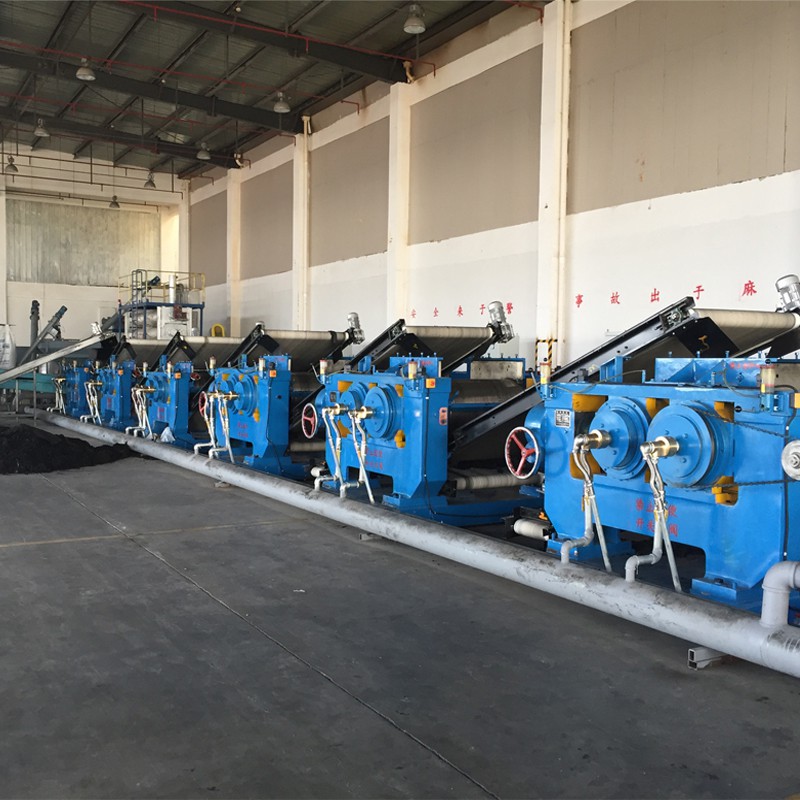
To address these environmental concerns, governments around the world have implemented strict regulations on air emissions from reclaimed rubber production facilities. These regulations typically set limits on the amount of pollutants that can be released into the atmosphere and require producers to install pollution control equipment, such as scrubbers and filters, to reduce emissions. In addition, producers may be required to obtain permits from environmental regulatory agencies and comply with regular monitoring and reporting requirements.
Water pollution is another environmental issue associated with reclaimed rubber production. The production process may generate wastewater containing chemicals, heavy metals, and other contaminants. Governments have established regulations to ensure that this wastewater is properly treated before being discharged into water bodies. These regulations often require producers to implement wastewater treatment systems, such as sedimentation tanks, biological treatment units, and reverse osmosis systems, to remove pollutants from the wastewater.
Soil contamination is also a concern in reclaimed rubber production. If chemicals or waste materials are not properly managed, they can seep into the soil and contaminate groundwater. To prevent soil contamination, governments may require producers to store and handle chemicals and waste materials in designated areas and implement measures to prevent spills and leaks.
Occupational Health and Safety Regulations
In addition to environmental regulations, governments also impose occupational health and safety regulations on reclaimed rubber production facilities. The production process involves the use of various chemicals, machinery, and equipment, which can pose risks to the health and safety of workers. For example, workers may be exposed to harmful chemicals, such as solvents and additives, during the mixing and processing of rubber. They may also be at risk of physical injuries from operating machinery, such as conveyors, crushers, and extruders.
To protect the health and safety of workers, governments have established regulations that require producers to provide a safe working environment. These regulations typically include requirements for the use of personal protective equipment (PPE), such as gloves, goggles, and respirators, and the implementation of safety procedures, such as machine guarding and lockout/tagout procedures. Producers may also be required to provide training to workers on the proper use of chemicals and equipment and the prevention of workplace accidents.
Product Quality and Standards Regulations
Governments may also regulate the quality and standards of reclaimed rubber products. Reclaimed rubber is used in a wide range of applications, including tire manufacturing, rubber mats, and asphalt modification. To ensure the safety and performance of these products, governments may establish standards and specifications for reclaimed rubber, such as physical properties, chemical composition, and purity.
Producers of reclaimed rubber may be required to comply with these standards and specifications and obtain certification from recognized testing agencies. This certification can help to ensure that the reclaimed rubber products meet the quality requirements of customers and are suitable for use in various applications.
Impact on Reclaimed Rubber Production Line Suppliers
As a supplier of Reclaimed Rubber Production Line, government regulations have a significant impact on our business. We need to ensure that our production lines are designed and manufactured to meet the regulatory requirements of our customers. This may involve incorporating pollution control equipment, safety features, and quality control systems into our production lines.
For example, to comply with air emissions regulations, we may need to design our production lines to include efficient ventilation systems and pollution control devices, such as bag filters and activated carbon adsorbers. To meet occupational health and safety regulations, we may need to install safety guards, emergency stop buttons, and warning signs on our machinery and equipment. To comply with product quality and standards regulations, we may need to provide our customers with testing and certification services to ensure that the reclaimed rubber produced by our production lines meets the required standards.
In addition, government regulations can also create opportunities for us as a supplier. As the demand for environmentally friendly and sustainable products increases, more and more customers are looking for reclaimed rubber production lines that can meet the strict regulatory requirements. By offering production lines that are compliant with these regulations, we can differentiate ourselves from our competitors and attract more customers.
Other Related Production Lines and Regulations
It's worth noting that our company also supplies other related production lines, such as Asphalt Modifier Production Line and Rubber Granulation Production Line. These production lines are also subject to government regulations, although the specific requirements may vary depending on the nature of the production process and the products being produced.
For example, asphalt modifier production involves the use of various chemicals and additives to improve the performance of asphalt. Similar to reclaimed rubber production, this process may also generate emissions and waste materials that need to be properly managed to comply with environmental regulations. Rubber granulation production, on the other hand, involves the shredding and grinding of rubber materials, which can generate dust and noise. Governments may impose regulations on dust emissions and noise levels in rubber granulation facilities to protect the environment and the health of workers.
Conclusion
In conclusion, government regulations play a crucial role in the reclaimed rubber production industry. These regulations are designed to protect the environment, ensure the health and safety of workers, and maintain the quality and standards of reclaimed rubber products. As a supplier of Reclaimed Rubber Production Line, we are committed to complying with these regulations and providing our customers with production lines that are both environmentally friendly and safe.
If you are interested in purchasing a reclaimed rubber production line or any of our other related production lines, we encourage you to contact us for more information. Our team of experts can provide you with detailed information on our products, including their features, specifications, and compliance with government regulations. We look forward to discussing your requirements and helping you find the best production line solution for your business.
References
- Environmental Protection Agency (EPA). Regulations on Air Emissions from Rubber Manufacturing Facilities.
- Occupational Safety and Health Administration (OSHA). Standards for Occupational Health and Safety in the Rubber Industry.
- International Organization for Standardization (ISO). Standards for Reclaimed Rubber Products.