

What are the electrical safety requirements for high speed mixing equipment?
As a supplier of high-speed mixing equipment, I understand the paramount importance of electrical safety in the operation of such machinery. High-speed mixing equipment is widely used in various industries, including chemical, pharmaceutical, food processing, and more. These machines often operate at high speeds and under demanding conditions, which means that electrical safety is not just a regulatory requirement but also a critical factor for the well-being of operators and the longevity of the equipment.
1. Electrical System Design
The design of the electrical system for high-speed mixing equipment is the first line of defense in ensuring safety. It must comply with international and national electrical standards. For instance, in the United States, the National Electrical Code (NEC) provides guidelines for electrical installations, including those in industrial settings where high-speed mixing equipment is commonly used.
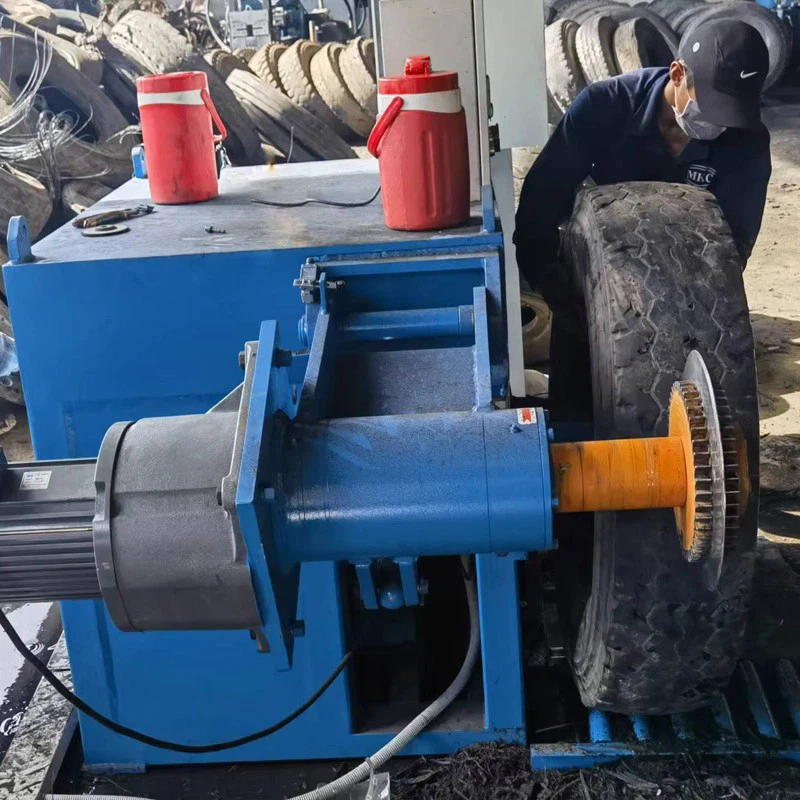
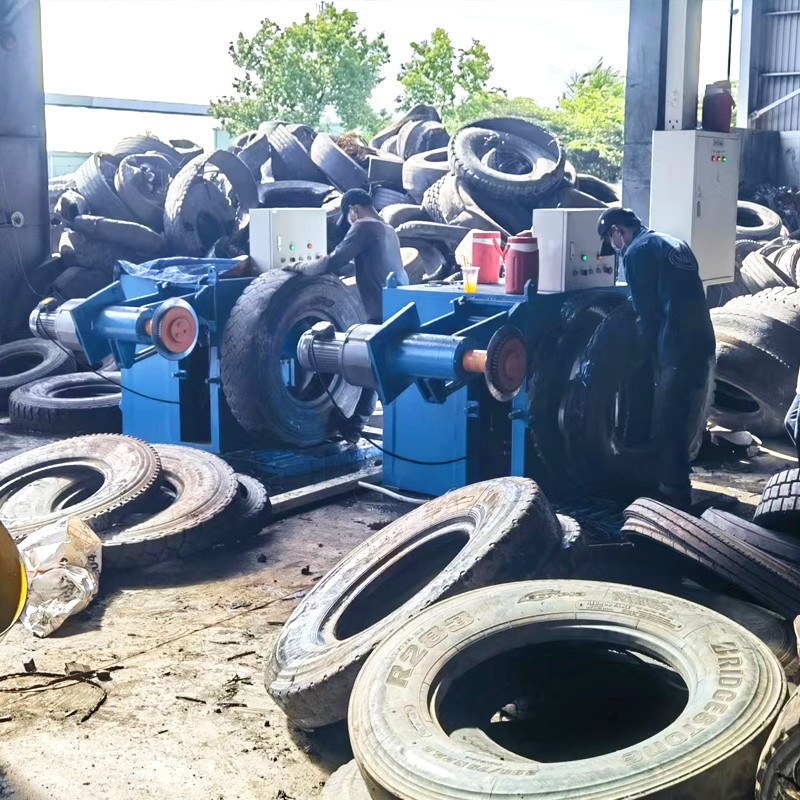
- Proper Wiring: All electrical wiring should be of high quality and rated for the electrical load of the equipment. The wiring must be properly insulated to prevent short circuits, which can lead to electrical fires or damage to the equipment. Additionally, the wiring should be neatly arranged and protected from physical damage, such as abrasion or impact.
- Overcurrent Protection: Overcurrent protection devices, such as fuses and circuit breakers, are essential components of the electrical system. These devices are designed to automatically interrupt the electrical circuit when the current exceeds a safe level. This helps to prevent damage to the equipment and reduces the risk of electrical fires.
- Grounding: Proper grounding is crucial for electrical safety. The high-speed mixing equipment must be grounded to provide a path for electrical current in the event of a fault. This helps to protect operators from electric shock and ensures the safe operation of the equipment.
2. Electrical Components
The selection and installation of electrical components play a significant role in the safety of high-speed mixing equipment.
- Motor Safety: The motor is the heart of the high-speed mixing equipment. It is essential to choose a motor that is suitable for the application and rated for the electrical supply. Motors should be equipped with thermal overload protection to prevent overheating, which can lead to motor failure and potentially cause a fire.
- Control Panel: The control panel of the high-speed mixing equipment houses various electrical components, such as switches, relays, and programmable logic controllers (PLCs). These components should be installed in a well-ventilated and dust-free environment to prevent overheating and malfunctions. Additionally, the control panel should be protected by a door or cover to prevent unauthorized access.
- Sensors and Safety Interlocks: High-speed mixing equipment often incorporates sensors and safety interlocks to detect abnormal conditions and prevent unsafe operation. For example, a proximity sensor can be used to detect the presence of an operator near the moving parts of the equipment, and a safety interlock can be used to stop the equipment if the sensor is triggered.
3. Operator Training and Safety Procedures
Even with a well-designed electrical system and high-quality electrical components, the safety of high-speed mixing equipment also depends on the proper training of operators and the implementation of safety procedures.
- Training: Operators should receive comprehensive training on the safe operation of the high-speed mixing equipment, including electrical safety. They should be familiar with the location and function of all electrical components, as well as the proper procedures for starting, stopping, and maintaining the equipment.
- Safety Procedures: Safety procedures should be established and strictly followed to minimize the risk of electrical accidents. These procedures may include wearing appropriate personal protective equipment (PPE), such as insulated gloves and safety glasses, and avoiding contact with live electrical parts.
4. Regular Maintenance and Inspection
Regular maintenance and inspection of the high-speed mixing equipment are essential to ensure its continued safe operation.
- Maintenance Schedule: A maintenance schedule should be established to perform routine checks and maintenance tasks on the electrical system. This may include inspecting the wiring for damage, checking the operation of safety devices, and lubricating moving parts.
- Inspection: Periodic inspections by a qualified electrician should be conducted to identify any potential electrical hazards. These inspections may include testing the electrical insulation, checking the grounding system, and verifying the operation of overcurrent protection devices.
In addition to the above electrical safety requirements, it is also important to consider the compatibility of the high-speed mixing equipment with other equipment in the production line. For example, if the high-speed mixing equipment is used in conjunction with a Bead Grinder Machine, a Rubber Block Cutting Machine, or a Tire Crown Slitting Machine, the electrical systems of these machines should be coordinated to ensure safe and efficient operation.
As a supplier of high-speed mixing equipment, we are committed to providing our customers with safe and reliable products. We adhere to the highest standards of electrical safety in the design, manufacturing, and installation of our equipment. Our team of experts is available to provide technical support and training to ensure that our customers can operate our equipment safely and effectively.
If you are interested in our high-speed mixing equipment or have any questions about electrical safety, please feel free to contact us. We look forward to discussing your specific requirements and providing you with the best solutions for your business.
References
- National Electrical Code (NEC), National Fire Protection Association (NFPA).
- International Electrotechnical Commission (IEC) standards for electrical equipment.
- Manufacturer's manuals and technical specifications for high-speed mixing equipment.


