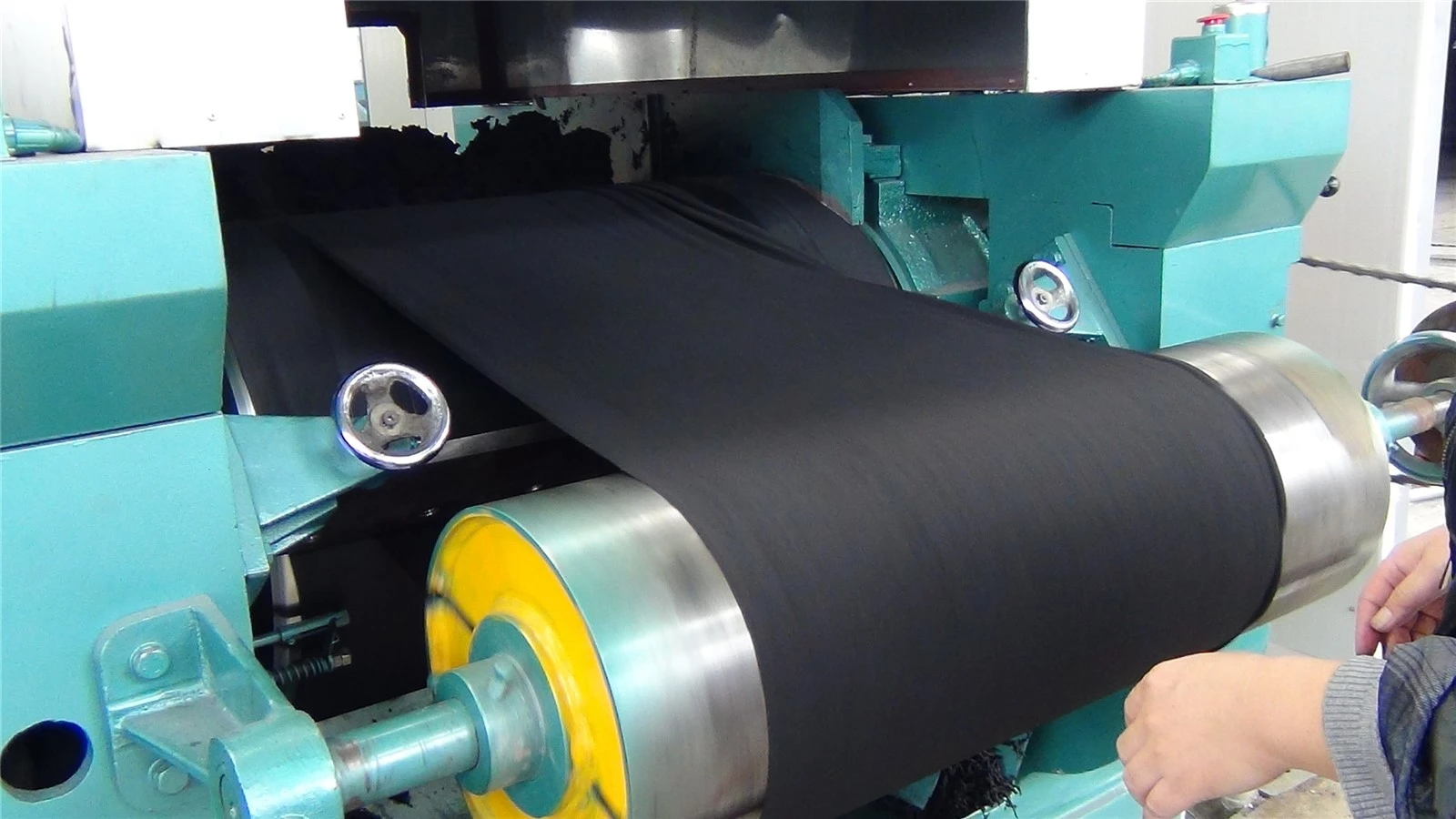
Pre - operation Checks
Before starting the machine, a series of pre - operation checks are necessary.
Inspect the Machine Structure
Examine the overall structure of the mill for any signs of damage, such as cracks in the frame or loose bolts. A damaged structure can lead to instability during operation, which may cause accidents and affect the processing accuracy. For example, if a bolt is loose, it can cause vibrations that may damage other components in the long run.
Check the alignment of the rollers. Misaligned rollers can result in uneven rubber processing, leading to inconsistent product quality. Make sure that the distance between the rollers is set correctly according to the requirements of the rubber processing.
Lubrication
Proper lubrication is vital for the smooth operation of the Rubber Refining Mill. Check the lubrication levels in all the relevant parts, such as the bearings and gears. Insufficient lubrication can increase friction, generate heat, and accelerate the wear of the components, reducing the service life of the machine.
Use the recommended lubricants as specified in the machine's manual. Different parts may require different types of lubricants, and using the wrong one can cause problems.
Electrical System
Inspect the electrical connections to ensure they are secure and free from damage. Loose or damaged electrical connections can lead to short - circuits, electrical failures, or even pose a fire hazard.
Check the functionality of the control panel. Make sure all the switches, buttons, and indicators are working properly. This allows for accurate control of the machine's operation.
Raw Material Inspection
Examine the rubber raw materials to be processed. Ensure that they are clean and free from contaminants such as metal particles, sand, or other foreign objects. Contaminants can damage the rollers and other components of the mill, and may also affect the quality of the processed rubber.
Starting the Machine
Once the pre - operation checks are completed, it is time to start the machine.
Follow the Starting Procedure
Start the machine following the manufacturer's recommended starting procedure. Usually, this involves turning on the main power switch first, and then gradually starting the motor. Do not start the machine in a hurry, as improper starting can cause unnecessary stress on the machine components.
Monitor the starting process closely. Pay attention to the sounds and vibrations of the machine. Unusual noises or excessive vibrations may indicate a problem. If any abnormalities are detected, stop the machine immediately and troubleshoot the issue.
Warm - up
After starting the machine, allow it to warm up for a certain period. This helps the machine reach its optimal operating temperature, which is beneficial for the rubber processing. During the warm - up process, the lubricants can also circulate more effectively, reducing friction.
Operating the Machine
During the operation, the following skills are important.
Feeding the Rubber
Feed the rubber raw materials evenly into the mill. Uneven feeding can lead to uneven processing, resulting in inconsistent product quality. Use a proper feeding mechanism, such as a conveyor belt, to ensure a continuous and uniform supply of rubber.
Control the feeding speed. If the feeding speed is too fast, the machine may be overloaded, causing damage to the components. On the other hand, if the feeding speed is too slow, the production efficiency will be reduced.
Roller Adjustment
Adjust the distance between the rollers according to the processing requirements. For different types of rubber and different processing stages, the appropriate roller distance needs to be set. A smaller roller distance can produce thinner and more refined rubber sheets, while a larger distance is suitable for initial rough processing.
Continuously monitor the thickness and quality of the processed rubber. If necessary, make timely adjustments to the roller distance to ensure the desired product quality.
Temperature Control
Rubber processing is sensitive to temperature. Monitor the temperature of the rollers and the rubber during the processing. Excessive temperature can cause the rubber to degrade, affecting its physical properties. On the other hand, too low a temperature may make the rubber difficult to process.
Use appropriate cooling or heating systems to maintain the temperature within the optimal range. For example, water - cooling systems can be used to dissipate heat generated during the processing.
Monitoring and Maintenance during Operation
Continuously monitor the operation of the machine. Check for any signs of abnormal wear, such as excessive noise, vibration, or changes in the processing quality. If any problems are detected, stop the machine immediately to prevent further damage.
Regularly clean the machine during operation to remove any rubber residues or debris. This helps maintain the cleanliness of the machine and ensures its normal operation.
Stopping the Machine
When the rubber processing is completed or there is a need to stop the machine, follow the correct stopping procedure.
Stop Feeding
First, stop the feeding of rubber raw materials. This prevents the machine from continuing to process rubber when it is about to stop, which can cause blockages or other problems.
Gradually Reduce the Speed
Gradually reduce the speed of the machine to a lower level. This helps to relieve the stress on the components and prevent sudden shocks when the machine stops completely.
Turn off the Power
After the machine has slowed down, turn off the main power switch. This ensures the safety of the operators and prevents any potential electrical hazards.