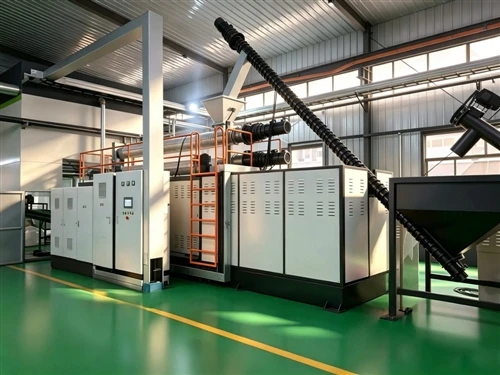
In the world of rubber recycling, EPDM (Ethylene Propylene Diene Monomer) devulcanizers play a pivotal role. These machines are essential for reprocessing waste EPDM rubber into valuable raw materials. As an EPDM devulcanizer supplier, I often encounter questions from customers about the upgradability of their old EPDM devulcanizers. This blog aims to explore whether an old EPDM devulcanizer can be upgraded, the benefits of such an upgrade, and the factors to consider.
The Feasibility of Upgrading an Old EPDM Devulcanizer
The short answer is yes, an old EPDM devulcanizer can typically be upgraded. The technology in the field of rubber recycling has advanced significantly over the years. Older devulcanizers may lack the efficiency, precision, and automation features of modern models. However, many of the core components of an EPDM devulcanizer, such as the reactor, heating system, and control panel, can be modified or replaced with more advanced parts.
For example, the heating system of an old devulcanizer may have been based on traditional methods that are less energy - efficient. Upgrading to a modern heating system, such as an induction heating system, can improve energy consumption and heating speed. Similarly, the control panel of an older machine may rely on manual controls, which are prone to human error. Replacing it with a programmable logic controller (PLC) can enhance the accuracy and consistency of the devulcanization process.
Benefits of Upgrading an Old EPDM Devulcanizer
1. Improved Efficiency
One of the most significant benefits of upgrading an old EPDM devulcanizer is improved efficiency. Newer models are designed to process rubber more quickly and with less energy. An upgraded heating system can reduce the time required to reach the optimal devulcanization temperature, and advanced mixing mechanisms can ensure a more uniform devulcanization process. This means that the same amount of waste rubber can be processed in less time, increasing the overall productivity of the recycling operation.
2. Enhanced Quality of Devulcanized Rubber
Upgrading the devulcanizer can also lead to an improvement in the quality of the devulcanized rubber. Modern devulcanizers are equipped with better temperature and pressure control systems, which are crucial for achieving consistent devulcanization results. By upgrading the old machine, it becomes possible to produce devulcanized rubber with more stable physical and chemical properties, making it more suitable for use in high - end applications.
3. Cost Savings
Although upgrading an EPDM devulcanizer involves an upfront cost, it can lead to long - term cost savings. The improved energy efficiency of a modernized devulcanizer means lower energy bills. Additionally, the better - quality devulcanized rubber produced can command a higher price in the market, increasing the revenue of the recycling business. Moreover, an upgraded machine is likely to require less maintenance and have a longer service life, reducing the overall cost of ownership.
Components That Can Be Upgraded
1. Heating System
As mentioned earlier, the heating system is a prime candidate for upgrading. An outdated heating system may use traditional resistance heating elements, which are slow to heat up and may not distribute heat evenly. Modern devulcanizers often use induction heating systems, which offer rapid heating, high energy efficiency, and precise temperature control.


2. Control System
The control system is another critical component. Older machines may have basic analog controls, which are hard to adjust accurately and lack the ability to store process parameters. Upgrading to a digital control system, such as a PLC, allows for more precise control of the devulcanization process. Operators can easily set and adjust parameters such as temperature, pressure, and mixing time, and the system can automatically record and store the process data for quality control and process optimization.
3. Mixing Mechanism
The mixing mechanism is responsible for ensuring that the rubber is evenly devulcanized. Older devulcanizers may have simple paddle - type mixers, which may not provide a high - intensity mixing action. Upgrading to a more advanced screw - type mixer or a double - planetary mixer can improve the mixing efficiency and the uniformity of the devulcanization process.
Factors to Consider Before Upgrading
1. Cost
The cost of upgrading an old EPDM devulcanizer is an important consideration. The total cost includes the cost of new components, installation fees, and the cost of any necessary modifications to the existing machine. It is necessary to compare this cost with the cost of purchasing a brand - new devulcanizer. Sometimes, if the old machine is too outdated or damaged, it may be more cost - effective to buy a new one.
2. Compatibility
When upgrading components, compatibility is a key issue. New components must be compatible with the existing structure and system of the devulcanizer. For example, a new heating system may require a different power supply or connection method. Ensuring compatibility can prevent potential problems and ensure the smooth operation of the upgraded machine.
3. Technical Support
Upgrading an EPDM devulcanizer may require technical expertise. It is important to choose a supplier who can provide comprehensive technical support, including installation guidance, commissioning assistance, and after - sales service. A reliable supplier can also offer training to the operators to help them master the operation and maintenance of the upgraded machine.
Complementary Equipment in Rubber Recycling
In a rubber recycling plant, an EPDM devulcanizer is just one part of the entire process. There are several complementary pieces of equipment that work together to ensure the efficient and effective recycling of rubber.
- Bead Grinder Machine: This machine is used to remove the steel beads from waste tires. The steel beads can be recycled separately, while the remaining rubber can be further processed.
- Rubber Cracker Mill: It is used to break down large pieces of rubber into smaller particles. This pre - processing step is essential before the rubber enters the devulcanizer, as it helps to improve the efficiency of the devulcanization process.
- Waste Tire Strip Cutting Machine: This machine cuts waste tires into strips, which are easier to handle and process in subsequent steps of the recycling process.
- Rubber Pulverizer Machine: After devulcanization, the rubber may need to be further processed into fine powder. A rubber pulverizer machine can achieve this, making the devulcanized rubber more suitable for use in various applications.
Conclusion
In conclusion, an old EPDM devulcanizer can be upgraded, and such an upgrade can bring many benefits, including improved efficiency, enhanced rubber quality, and cost savings. However, before deciding to upgrade, factors such as cost, compatibility, and technical support need to be carefully considered.
If you are interested in upgrading your EPDM devulcanizer or exploring our range of Devulcanizer and other rubber recycling equipment, please do not hesitate to contact us. Our team of experts is ready to provide you with professional advice and customized solutions to meet your specific needs.
References
- Smith, J. (2020). Advances in Rubber Recycling Technology. Journal of Rubber Science and Technology.
- Johnson, R. (2019). Upgrading Equipment for Improved Efficiency in Rubber Processing. Rubber Industry Magazine.