In the dynamic landscape of the rubber industry, the Rubber Cracker Mill stands as a cornerstone in the production process. As a dedicated supplier of Rubber Cracker Mills, I've witnessed firsthand the challenges and opportunities that come with optimizing its efficiency. In this blog, I'll share some practical strategies and insights that can help you get the most out of your Rubber Cracker Mill.

Understanding the Rubber Cracker Mill
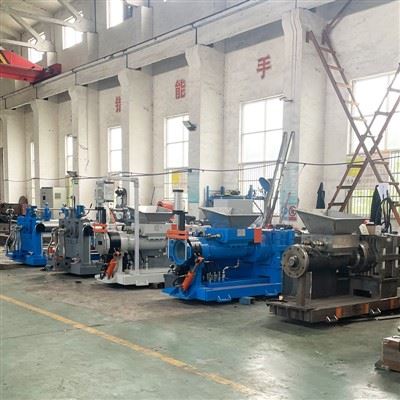
Before delving into efficiency improvement, it's crucial to have a solid understanding of the Rubber Cracker Mill. This machine is primarily used for breaking down large rubber blocks into smaller, more manageable pieces. It consists of a pair of heavy-duty rollers that rotate in opposite directions, applying pressure and shear force to the rubber. The gap between the rollers can be adjusted to control the size of the output rubber particles.
The efficiency of a Rubber Cracker Mill is measured by several factors, including throughput, particle size consistency, energy consumption, and maintenance requirements. By focusing on these aspects, you can significantly enhance the performance of your mill.
Optimizing Throughput
One of the key indicators of a mill's efficiency is its throughput, which refers to the amount of rubber it can process within a given time frame. To increase throughput, consider the following strategies:
- Proper Feeding: Ensure a continuous and consistent feed of rubber blocks into the mill. Irregular feeding can lead to uneven processing and reduced efficiency. Use a conveyor system or a feeding hopper to maintain a steady flow of material.
- Roller Speed: Adjust the speed of the rollers according to the type and hardness of the rubber. Higher speeds can generally increase throughput, but be careful not to exceed the recommended limits as it may cause excessive wear and tear on the rollers.
- Roller Gap: Optimize the gap between the rollers to achieve the desired particle size. A smaller gap will result in finer particles but may also reduce throughput. Find the right balance based on your production requirements.
Ensuring Particle Size Consistency
Consistent particle size is essential for downstream processing and product quality. To achieve this, pay attention to the following:
- Roller Surface Condition: Regularly inspect and maintain the surface of the rollers. Any damage or wear can affect the particle size and quality of the output. Replace worn-out rollers promptly to ensure consistent performance.
- Feed Material Uniformity: Use rubber blocks of uniform size and quality. Variations in the feed material can lead to inconsistent particle sizes. Consider using a Rubber Block Cutting Machine to pre-cut the rubber blocks into more uniform sizes.
- Quality Control: Implement a quality control system to monitor the particle size of the output. Use sieves or particle analyzers to check the consistency of the rubber particles at regular intervals.
Reducing Energy Consumption
Energy consumption is a significant cost factor in rubber processing. To reduce energy usage and improve the overall efficiency of your Rubber Cracker Mill, try the following:
- Motor Efficiency: Choose a mill with a high-efficiency motor. Look for motors with energy-saving features such as variable frequency drives (VFDs), which can adjust the motor speed according to the load requirements.
- Insulation: Insulate the mill to minimize heat loss. This can help reduce the energy required to maintain the operating temperature. Use insulation materials such as fiberglass or ceramic wool to cover the mill's housing.
- Regular Maintenance: Keep the mill well-maintained to ensure optimal performance. Lubricate the bearings, check the belts and pulleys, and clean the rollers regularly. A well-maintained mill will operate more efficiently and consume less energy.
Minimizing Maintenance Requirements
Regular maintenance is essential to keep your Rubber Cracker Mill in good working condition. However, excessive maintenance can also lead to downtime and increased costs. To minimize maintenance requirements, follow these tips:
- Preventive Maintenance: Develop a preventive maintenance schedule and stick to it. This includes regular inspections, lubrication, and replacement of worn-out parts. By addressing potential issues before they become major problems, you can reduce the frequency of breakdowns and extend the lifespan of the mill.
- Use High-Quality Parts: Invest in high-quality replacement parts for your mill. Inferior parts may be cheaper initially, but they can wear out quickly and cause more problems in the long run. Choose parts from reputable suppliers to ensure reliability and performance.
- Operator Training: Provide proper training to your operators on how to operate and maintain the mill correctly. A well-trained operator can identify potential issues early and take appropriate action to prevent breakdowns.
Incorporating Advanced Technologies
In today's digital age, there are several advanced technologies available that can further enhance the efficiency of your Rubber Cracker Mill. Consider the following options:
- Automation: Automate the feeding, monitoring, and control processes of the mill. This can reduce human error, improve consistency, and increase productivity. Use sensors and controllers to adjust the roller speed, gap, and other parameters automatically.
- Remote Monitoring: Install a remote monitoring system to keep track of the mill's performance in real-time. This allows you to detect any issues early and take corrective action before they cause significant downtime. You can also access the monitoring data from anywhere using a smartphone or a computer.
- Data Analytics: Collect and analyze data from the mill to identify trends and patterns. This can help you optimize the operating parameters, predict maintenance requirements, and improve overall efficiency. Use data analytics software to generate reports and insights.
Additional Equipment for Enhanced Efficiency
In addition to the Rubber Cracker Mill, there are other pieces of equipment that can complement its operation and improve overall efficiency. Consider incorporating the following:
- Steel Wire Separator: If you're processing rubber tires, a steel wire separator can remove the steel wires from the rubber, making it easier to process and improving the quality of the output.
- Tire Crown Slitting Machine: This machine can slit the crown of the tire into smaller pieces, reducing the size of the rubber blocks before they enter the cracker mill. This can increase the throughput of the mill and improve the efficiency of the overall process.
Conclusion
Improving the efficiency of a Rubber Cracker Mill requires a comprehensive approach that addresses various aspects of its operation. By optimizing throughput, ensuring particle size consistency, reducing energy consumption, minimizing maintenance requirements, and incorporating advanced technologies, you can significantly enhance the performance of your mill. Additionally, considering the use of complementary equipment such as a Steel Wire Separator and a Tire Crown Slitting Machine can further improve the overall efficiency of your rubber processing operation.
As a supplier of Rubber Cracker Mills, I'm committed to helping you achieve the best possible results. If you have any questions or need further assistance in improving the efficiency of your mill, please don't hesitate to contact me. I'd be more than happy to discuss your specific requirements and provide you with customized solutions. Let's work together to take your rubber processing operation to the next level.
References
- "Rubber Processing Technology" by K. K. Chanda
- "Handbook of Rubber Technology" by A. Y. Coran