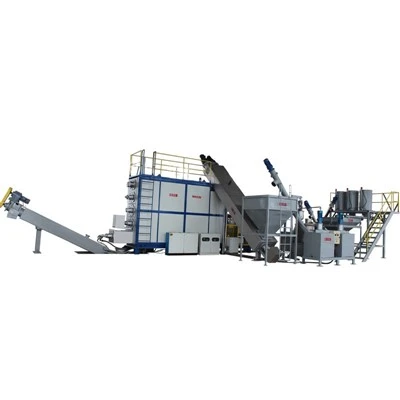
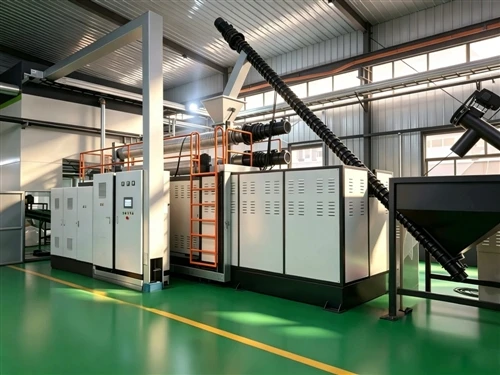
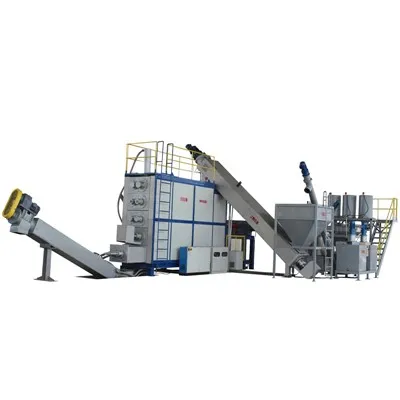
If you've ever driven past a tire dump, you've likely felt that quiet sting of waste-millions of tires piling up, taking centuries to break down, leaching chemicals into soil and water. For years, the rubber industry's biggest challenge was how to repurpose vulcanized rubber, the cross-linked material that gives tires their durability but makes them nearly impossible to recycle through standard methods. That's where devulcanizers come in. As a supplier of rubber recycling equipment, I've spent years walking plant floors, talking to engineers and sustainability managers, and learning exactly how devulcanizers turn that waste into something valuable. A devulcanizer isn't just a machine; it's a bridge between the mountains of old tires and a circular economy for rubber. Let's break down its most impactful applications, because understanding what a devulcanizer does is the first step to solving one of the world's most persistent waste problems.
First, let's get clear on the basics: vulcanization is the process where sulfur links rubber molecules together, creating a rigid, elastic material. Devulcanization reverses that cross-linking without breaking the rubber itself, turning hard, unusable rubber into a malleable, processable material. But devulcanizers don't work in a vacuum. They're part of a whole rubber recycling line, so let's start with their most common, high-volume application: reprocessing end-of-life tires (ELTs). ELTs make up over 70% of the rubber waste processed with devulcanizers, and for good reason. Every year, the U.S. alone generates nearly 300 million waste tires, and only about 10% are exported for recycling, with most going to landfills or stockpiles.
Here's how it works in practice: once a tire is removed from a vehicle, it goes through a series of pre-processing steps. First, a Waste Tire Strip Cutting Machine slices the tire into manageable strips, then a Two-shaft Tire Crushing Machine breaks those strips into chunks of 2 to 5 cm. Next, a Bead Grinder Machine removes the steel and fiber beads from the inner rim area-metal contaminants would ruin the final rubber product, so this step is non-negotiable. Then, the rubber chunks go into the devulcanizer. The machine uses a mix of heat, pressure, and mechanical shear to break the sulfur cross-links, turning hard rubber into a "devulcanized crumb" that behaves almost like new rubber. This material can then be fed into a High Speed Mixing Equipment to blend with new rubber, additives, and fillers, creating compounds perfect for new tires, hoses, or even flooring. In my time as a supplier, I've seen plants that used to send 100% of their ELTs to landfills now turning out 50,000 tons of devulcanized rubber annually-enough to make 10 million new tires. That's the power of this application, and it's why devulcanizers are the backbone of tire recycling.
Beyond tires, devulcanizers are critical for repurposing industrial rubber waste, a category that often flies under the radar but is just as problematic. Industrial sectors like manufacturing, mining, and agriculture generate massive amounts of rubber scrap: worn conveyor belts, gasket scraps, hose cut-offs, and rubber seals. Unlike tires, which are standardized in size, industrial rubber waste comes in all shapes and degrees of vulcanization. That's where devulcanizers shine-they're adjustable to handle different types of rubber, whether it's natural rubber, synthetic rubber (like neoprene or EPDM), or a blend. For example, a mining company might discard thousands of meters of worn conveyor belts each year; instead of buying brand new belts, they can send those scraps to a devulcanizer. The resulting devulcanized rubber can be compounded and extruded into new conveyor belt sections, cutting the company's rubber costs by 30% and diverting thousands of tons of waste from landfills. I worked with a mining operation in South America a few years back that switched to this system and not only reduced their waste fees but also eliminated the need for outsourcing recycled rubber-they now produce their own, right on site. That's a game-changer for industries looking to hit sustainability targets and cut operational expenses.
Another growing application is in asphalt modification for road construction. Traditional asphalt is made of aggregate, sand, and bitumen, a petroleum-based binder. But devulcanized rubber can replace up to 20% of the bitumen in asphalt, making roads more durable and less prone to potholes, while also diverting rubber waste. Here's the science: devulcanized rubber particles act as elastic "bouncers" in the asphalt, absorbing stress from traffic, extreme temperatures, and heavy loads. Roads made with rubberized asphalt last 30-40% longer than standard roads, which means less frequent repairs and less disruption for communities. I've helped supply devulcanizers to a road construction company in Europe that now uses 15,000 tons of devulcanized rubber each year in road projects. They reported a 25% drop in road maintenance costs and a 40% reduction in noise pollution for local residents-an added benefit that's made rubberized asphalt a go-to for urban road projects. What's even more impressive is that this isn't a niche use; countries like the U.S., Canada, and South Africa have formalized standards for rubberized asphalt, so demand for devulcanized rubber in this sector is only going up.
Next up: consumer and industrial goods, where devulcanized rubber is used to make products that we interact with every day. Think playground surfaces, gym flooring, shoe soles, and even erasers. These products are made with a mix of devulcanized rubber and virgin rubber, because devulcanized rubber doesn't have exactly the same strength or elasticity as new rubber, so a blend balances performance and cost. For example, a playground surface made with 70% devulcanized rubber and 30% virgin rubber is just as safe and shock-absorbent as a surface made with 100% virgin rubber, but costs 20% less to produce. The environmental impact is even bigger: each playground uses about 500 tires worth of rubber, so a single city project can keep thousands of tires out of landfills. I recently worked with a sports equipment manufacturer that now uses devulcanized rubber to make 10 million shoe soles annually. They told me that switching cut their material costs by 18% and helped them meet their goal of 50% recycled content in all their products by 2025. It's a win for the brand, a win for the environment, and a win for consumers who get a durable, affordable product.
Then there's the specialized use in tire retreading. Retreading is the process of replacing the worn tread on a tire, giving it a second life, and devulcanizers are key to making this work. When a tire wears down, only the tread is damaged; the inner structure (including the steel belts and rubber body) is still intact. To retread, you strip the old tread, apply a layer of new rubber, and fuse it to the old tire's body. But the old rubber on the tire body is vulcanized, so it won't bond properly with new rubber without devulcanization. A devulcanizer softens the old rubber's surface, creating a porous, adhesive layer that lets the new tread bond tightly. This means retreaded tires are just as safe as new tires, and cost 30-50% less to produce. The U.S. retreading industry processes over 10 million tires a year, and without devulcanizers, that would be impossible. I've supplied devulcanizers to retreading shops across North America, and many of them report that retreading a tire uses 70% less energy than making a new tire from scratch. That's a huge reduction in carbon emissions, which is why retreading is a critical part of the tire lifecycle.
Wait, but let's talk about a common misconception: devulcanization isn't just for old, worn-out rubber. It's also used to process rubber manufacturing scrap-off-cuts, mold trimmings, and defective products that would otherwise be thrown away. Rubber manufacturers produce up to 15% waste during production, and devulcanizers turn that waste back into usable material. For example, a rubber hose factory might cut 10% of material during production, leading to hundreds of tons of waste each year. Instead of sending that to landfills, they feed it into a devulcanizer, and the resulting material can be used to make new hoses, or even other products like gaskets. This closed-loop system cuts a manufacturer's waste costs and reduces their need to buy virgin rubber. I work with a rubber extrusion plant that now sends zero manufacturing scrap to landfills-every single off-cut is devulcanized and reused. Their waste disposal costs dropped by 90% in the first year, which was a massive financial win for them.
Now, let's get real about the challenges. Devulcanization isn't perfect. The process requires precise control of heat, pressure, and shear-too much, and the rubber degrades, losing its elasticity; too little, and the cross-links don't break, so the material is still unusable. That's why the design of the devulcanizer's screws, barrels, and heating elements matters so much. As a supplier, we invest thousands of hours in R&D to make sure our devulcanizers are adjustable, reliable, and produce a consistent devulcanized rubber that meets industry standards. Another challenge is sorting: before devulcanization, you have to remove contaminants like metal, fiber, and chemicals, which is why pre-processing machines like those I mentioned earlier-Two-shaft Tire Crushing Machine, Bead Grinder Machine, Waste Tire Strip Cutting Machine-are so important. Skip that step, and your devulcanized rubber will have flaws that make it unsellable.


But the biggest driver for devulcanizer demand is sustainability regulations. Governments around the world are banning tire landfills (the EU has required 90% of ELTs to be recycled since 2006) and imposing taxes on rubber waste, making devulcanization a cost-effective compliance solution. For example, in India, the government's Waste Management Rules of 2016 require that 60% of rubber waste be recycled, and many Indian rubber manufacturers now rely on devulcanizers to meet that target. I've seen a 25% increase in devulcanizer sales in India in the last three years, and that trend is happening in Brazil, Indonesia, and Nigeria too. As more countries enact similar rules, devulcanizers will become as essential to rubber recycling as shredders or pulverizers.
Which brings us to the future of devulcanization. Right now, researchers are working on "green" devulcanization methods that use less energy and don't require sulfur or other chemicals. One promising approach uses microwave devulcanization, which heats the rubber evenly, reducing energy use by 40% compared to traditional mechanical devulcanization. Another is bio-devulcanization, which uses bacteria to break sulfur cross-links-a method that's still in trials but could revolutionize the industry. Even with these innovations, traditional mechanical devulcanizers are still the workhorse of the industry, and they're only getting better. We're now making devulcanizers that integrate directly with High Speed Mixing Equipment and Rubber Pulverizer Machine, creating a fully automated recycling line that requires minimal manual labor. That's cutting operational costs for plants and making rubber recycling accessible to smaller operations that couldn't afford it before.
If you're in the rubber recycling industry, or if you're a business looking to reduce your waste footprint, devulcanizers are a tool that can turn waste into value. I've seen too many companies write off rubber waste as "unrecyclable," but that's no longer true. Whether you're processing end-of-life tires, industrial scrap, or manufacturing waste, a devulcanizer lets you turn that waste into a product that can be sold, reused, or both. It's not just about sustainability-it's about profitability. A single devulcanizer can pay for itself in two to three years by diverting waste from landfills and reducing the need to buy virgin rubber.
If you're ready to explore how a devulcanizer could work for your operation, our team can help you design a custom recycling line tailored to your specific waste type and output goals. We can also connect you with all the pre-processing equipment you need-from Two-shaft Tire Crushing Machine to Bead Grinder Machine-to ensure your line runs smoothly from start to finish. Don't let your rubber waste go to another landfill; turn it into a resource that benefits your bottom line and the planet. Contact our team to discuss your requirements and get a quote.
References
- Rubber Manufacturers Association. (2022). End-of-Life Tire Recycling Report. Retrieved from https://www.rma.org/recycling
- European Tyre Recycling Association. (2023). EU Tire Waste Management and Recycling Standards. Retrieved from https://www.etra.eu/publications
- International Institute of Rubber Technology. (2021). Devulcanization: Principles and Industrial Applications. Journal of Rubber Research, 24(3), 127-145.
- U.S. Environmental Protection Agency. (2022). Rubber Waste Reduction and Recycling Guidelines. Retrieved from https://www.epa.gov/waste-management/rubber-recycling