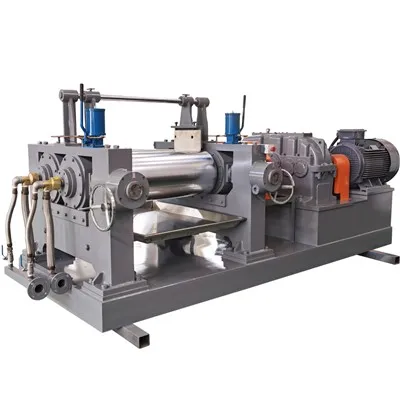
Installing a rubber pulverizer machine is a significant step for businesses involved in rubber recycling or processing. As a trusted Rubber Pulverizer Machine supplier, I understand the importance of a proper installation process to ensure the longevity and efficiency of the equipment. In this blog post, I'll share a detailed guide on how to install a rubber pulverizer machine, covering everything from preparation to post - installation checks.
Pre - installation Preparation
Before the actual installation process begins, thorough preparation is essential. This stage sets the foundation for a smooth and successful installation.
Site Selection
The first step is to choose an appropriate site for the rubber pulverizer machine. The location should be spacious enough to accommodate the machine and allow for easy access for maintenance and operation. It's crucial to ensure that the floor is level and can support the weight of the machine. A non - level surface can cause excessive vibration during operation, which may lead to premature wear and tear of the components.
The site should also have good ventilation. Rubber pulverizing generates dust and heat, so proper ventilation helps to keep the working environment safe and comfortable for the operators. Additionally, the area should be away from flammable materials and sources of ignition, as the rubber dust can be combustible under certain conditions.
Equipment Inspection
Once the site is selected, carefully inspect the rubber pulverizer machine upon arrival. Check for any damage that may have occurred during transportation. Examine all components, including the motor, blades, belts, and control panels. Make sure that all parts are present and in good condition. If any damage is found, contact the supplier immediately to arrange for replacement or repair.
Gather Necessary Tools
Collect all the tools required for the installation. Common tools include wrenches, screwdrivers, pliers, and lifting equipment if needed. Having all the tools ready in advance will save time and prevent delays during the installation process.
Installation Steps
Unloading and Positioning
Use appropriate lifting equipment to unload the rubber pulverizer machine from the transportation vehicle. Be extremely careful during this process to avoid any damage to the machine. Once unloaded, position the machine on the pre - selected site. Align the machine according to the installation diagram provided by the manufacturer. If the machine has adjustable feet, use them to level the equipment accurately.
Connecting the Power Supply
Before connecting the power supply, make sure that the electrical requirements of the machine match the available power source. The voltage, frequency, and phase should be consistent. It is recommended to hire a professional electrician for this task to ensure compliance with electrical safety standards. Connect the power cable to the machine's control panel following the wiring diagram. Install proper grounding to prevent electrical shocks.
Installing Auxiliary Equipment
Depending on the specific model of the rubber pulverizer machine, you may need to install auxiliary equipment such as a feeder, conveyor belt, or dust collector. Connect these components to the main machine according to the manufacturer's instructions. Ensure that all connections are tight and secure.
Belt and Pulley Installation
If the machine uses belts and pulleys for power transmission, install them correctly. Check the tension of the belts. A loose belt can cause slippage, reducing the efficiency of the machine, while an overly tight belt can put excessive stress on the bearings. Use a belt tension gauge to adjust the tension to the recommended level.
Blade Installation
The blades are a critical part of the rubber pulverizer machine. Carefully install the blades according to the instructions. Make sure that the blades are sharp and properly aligned. If the blades are not installed correctly, it can affect the pulverizing quality and may also cause damage to the machine.
Post - installation Checks
Mechanical Checks
After the installation is complete, conduct a thorough mechanical check. Inspect all the bolts and nuts to ensure they are tight. Check the movement of all moving parts, such as the conveyor belt, feeder, and blades. Make sure that there is no interference between the components and that they move smoothly.
Electrical Checks
Verify the electrical connections again. Check for any loose wires or exposed conductors. Turn on the power supply and test the control panel. Make sure all the switches and indicators are working properly.
Test Run
Before starting full - scale production, perform a test run of the rubber pulverizer machine. Start the machine at a low speed and gradually increase the speed. Observe the operation of the machine closely. Check for any abnormal noises, vibrations, or leaks. If any issues are detected during the test run, stop the machine immediately and troubleshoot the problem.
Maintenance and Support
Regular maintenance is essential to keep the rubber pulverizer machine in optimal condition. Follow the manufacturer's maintenance schedule, which may include tasks such as lubrication, blade sharpening, and filter replacement.

As a Rubber Pulverizer Machine supplier, we offer comprehensive after - sales support. If you encounter any problems during the installation, operation, or maintenance of the machine, our team of experts is ready to assist you. We also provide training services to help your operators understand the proper use and maintenance of the equipment.
Related Equipment
In addition to the rubber pulverizer machine, we also supply other essential equipment for rubber recycling, such as the Rubber Cracker Mill and Rubber Block Cutting Machine. These machines work together to form a complete rubber recycling production line, improving the efficiency and quality of the recycling process.
Contact for Purchase and Consultation
If you are interested in our rubber pulverizer machine or other related equipment, we welcome you to contact us for a detailed purchase consultation. We can provide you with customized solutions based on your specific requirements and production scale. Our team is committed to providing you with the best products and services to help you achieve your business goals.
References
- Manufacturer's installation manual for rubber pulverizer machines.
- Industry standards for rubber recycling equipment installation.
- Electrical safety guidelines for industrial equipment.