Installing rubber machinery correctly is crucial for ensuring optimal performance, safety, and longevity of the equipment. As a leading rubber machinery supplier, we understand the significance of proper installation procedures. In this blog post, we will guide you through the essential steps and considerations for installing rubber machinery correctly.
Pre - installation Preparations
Site Selection
The first step in installing rubber machinery is to choose an appropriate site. The location should have sufficient space to accommodate the machinery and allow for easy access for maintenance and operation. It should also be well - ventilated to disperse any fumes or heat generated during the rubber processing. Additionally, the floor should be level and capable of supporting the weight of the machinery. A non - slip surface is recommended to prevent accidents.
Power Supply
Ensure that the power supply at the installation site meets the requirements of the rubber machinery. Check the voltage, frequency, and phase of the power source. It is essential to have a dedicated electrical circuit for the machinery to avoid power fluctuations that could damage the equipment. Consult an electrician to install the necessary wiring and safety devices such as circuit breakers and grounding systems.
Equipment Inspection
Before installation, thoroughly inspect the rubber machinery upon arrival. Check for any visible damage during transit, such as dents, scratches, or loose parts. Ensure that all components are included as per the equipment list. If any damage is found, contact our customer service immediately for assistance.
Installation Steps
Unloading and Positioning
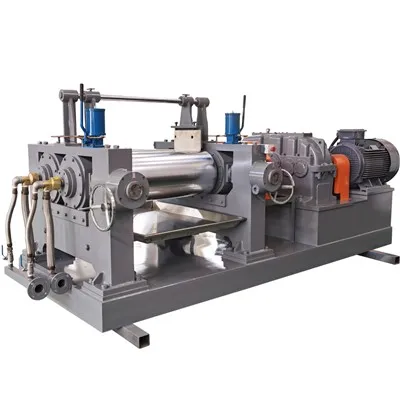
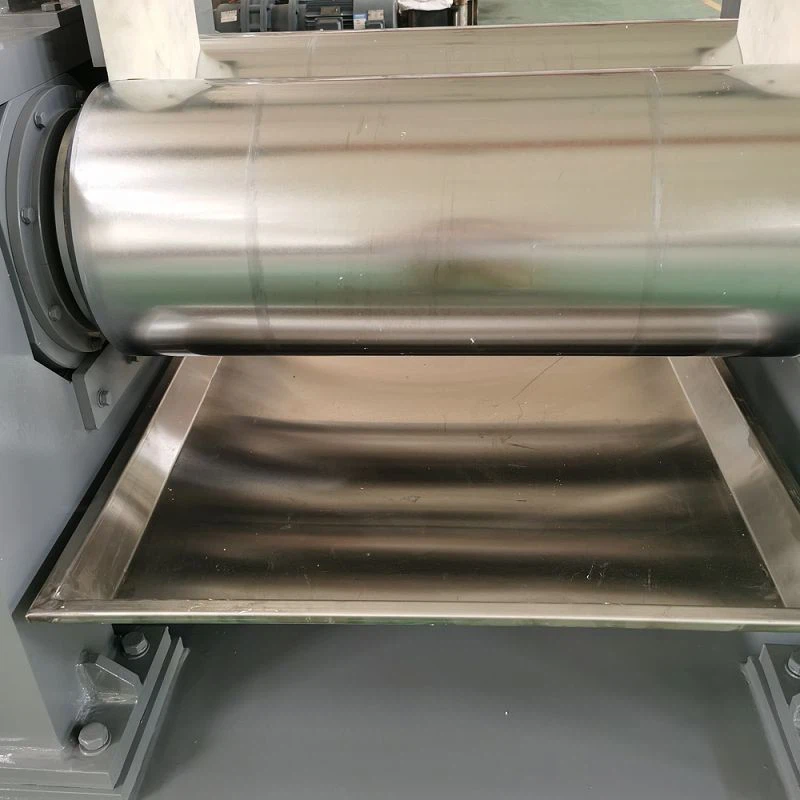
Use appropriate lifting equipment, such as cranes or forklifts, to unload the rubber machinery from the transport vehicle. Be careful not to damage the equipment during the unloading process. Once unloaded, position the machinery in the pre - selected site. Align the machinery according to the installation drawings provided. For example, if it is a Rubber Mixing Mill Machine, ensure that the rollers are parallel and at the correct height.
Assembly
Follow the assembly instructions provided with the machinery. This may involve connecting different parts, such as motors, belts, and control panels. Use the correct tools and fasteners during the assembly process. Tighten all bolts and nuts to the specified torque to prevent loosening during operation. For complex machinery like the Wear Resistant Alloy Type Internal Mixer, it is advisable to have a professional technician on - site to oversee the assembly.

Piping and Ductwork Installation
If the rubber machinery requires piping for water, air, or other fluids, install the pipes according to the design specifications. Ensure that the pipes are properly sealed to prevent leaks. For ventilation systems, install the ductwork to direct fumes and heat away from the machinery and the working area.
Electrical Connections
Connect the electrical wires to the machinery following the electrical schematic. Make sure to connect the power supply, control circuits, and any sensors or switches correctly. Use insulated wires and proper connectors to avoid electrical hazards. After the connections are made, perform a thorough electrical check to ensure that there are no short - circuits or loose connections.
Post - installation Checks
Mechanical Checks
After the installation is complete, perform a mechanical check of the rubber machinery. Check the movement of all moving parts, such as rollers, screws, and gears. Ensure that there is no excessive friction or binding. Lubricate all moving parts as per the manufacturer's recommendations. Adjust the alignment of any components if necessary.
Electrical Checks
Test the electrical system of the machinery. Turn on the power and check if all the electrical components, such as motors, lights, and control panels, are functioning properly. Check for any abnormal noises or vibrations from the electrical equipment. If any issues are detected, troubleshoot and fix them before proceeding.
Operational Tests
Conduct operational tests of the rubber machinery. Start the machine and run it at a low speed initially. Observe the performance of the machinery, including the mixing, extrusion, or other processes. Check the quality of the rubber products produced. Make any necessary adjustments to the settings, such as temperature, speed, or pressure, to achieve the desired results.
Safety Considerations
Operator Training
Provide comprehensive training to the operators of the rubber machinery. The training should cover the operation, maintenance, and safety procedures of the equipment. Operators should be familiar with the emergency stop buttons, safety guards, and other safety features of the machinery. They should also be trained on how to handle any potential hazards, such as rubber dust, heat, or electrical shocks.
Safety Guards
Install all the necessary safety guards on the rubber machinery. Safety guards are designed to prevent operators from coming into contact with moving parts, hot surfaces, or other dangerous areas. Ensure that the safety guards are properly installed and in good condition. Do not remove or bypass the safety guards during operation.
Fire and Explosion Prevention
Rubber processing involves the use of flammable materials and heat sources. Therefore, it is essential to take fire and explosion prevention measures. Keep the work area clean and free of rubber scraps and other combustible materials. Install fire extinguishers and smoke detectors in the vicinity of the machinery. Ensure that the ventilation system is working properly to prevent the accumulation of flammable vapors.
Maintenance and Support
Regular Maintenance
Establish a regular maintenance schedule for the rubber machinery. Regular maintenance helps to keep the equipment in good working condition and extends its lifespan. Maintenance tasks may include cleaning, lubrication, inspection of parts, and replacement of worn - out components. Follow the maintenance guidelines provided by the manufacturer.
Technical Support
As a rubber machinery supplier, we offer technical support to our customers. If you encounter any problems during the installation, operation, or maintenance of the machinery, our team of experts is ready to assist you. We can provide remote troubleshooting, on - site repair services, and spare parts as needed.
In conclusion, installing rubber machinery correctly is a multi - step process that requires careful planning, proper execution, and thorough checks. By following the steps and considerations outlined in this blog post, you can ensure that your rubber machinery is installed safely and operates efficiently. If you are in the market for high - quality rubber machinery, such as Rubber Mixing Mill Machine, Rubber Extruder Machine, or Wear Resistant Alloy Type Internal Mixer, feel free to contact us for more information and to discuss your specific requirements. We are committed to providing you with the best products and services to meet your rubber processing needs.
References
- Manufacturer's installation and operation manuals for rubber machinery.
- Industry standards and guidelines for rubber machinery installation and safety.