Rubber recycling has become an increasingly important aspect of environmental conservation and resource management. As a leading supplier of rubber recycling equipment, I have witnessed firsthand the diverse power sources that drive these machines. In this blog, I will explore the various power sources used in rubber recycling equipment, their advantages and disadvantages, and how they impact the overall efficiency and sustainability of the recycling process.
Electric Power
Electric power is one of the most common power sources for rubber recycling equipment. It offers several advantages, including high efficiency, low maintenance, and ease of use. Electric motors can be precisely controlled, allowing for accurate speed and torque adjustments, which is crucial for the proper operation of rubber recycling machines.
One of the key benefits of electric power is its environmental friendliness. Unlike fossil fuels, electricity can be generated from renewable sources such as solar, wind, and hydro power, reducing the carbon footprint of the recycling process. Additionally, electric motors produce less noise and emissions compared to combustion engines, making them a more suitable option for indoor and urban environments.
However, electric power also has some limitations. The initial investment in electric equipment can be higher than that of equipment powered by other sources. Moreover, the availability of electricity may be limited in some areas, especially in remote or off-grid locations. In such cases, alternative power sources may need to be considered.
Diesel Power
Diesel engines are another popular choice for powering rubber recycling equipment, especially in large-scale operations. Diesel engines offer high power output and are known for their durability and reliability. They can operate in a wide range of environmental conditions and are less affected by power outages compared to electric equipment.
One of the main advantages of diesel power is its energy density. Diesel fuel contains more energy per unit volume than gasoline or electricity, which means that diesel engines can provide more power for a longer period of time. This makes them ideal for heavy-duty applications such as large-scale tire shredding and rubber granulation.
However, diesel engines also have some drawbacks. They produce more emissions than electric motors, which can have a negative impact on the environment. Additionally, diesel fuel is a non-renewable resource, and its price can be volatile, which may affect the operating costs of the recycling equipment.
Hydraulic Power
Hydraulic power is commonly used in rubber recycling equipment for its ability to provide high force and precise control. Hydraulic systems use pressurized fluid to transfer power from the engine to the various components of the machine, such as the crusher, grinder, and conveyor.
One of the key advantages of hydraulic power is its flexibility. Hydraulic systems can be easily adjusted to provide different levels of force and speed, depending on the specific requirements of the recycling process. This makes them suitable for a wide range of applications, from small-scale rubber recycling to large-scale industrial operations.
Another advantage of hydraulic power is its reliability. Hydraulic systems are less prone to mechanical failures compared to other power sources, which means that they require less maintenance and downtime. Additionally, hydraulic systems can operate in harsh environments, such as high temperatures and dusty conditions, without affecting their performance.
However, hydraulic power also has some limitations. The initial investment in hydraulic equipment can be higher than that of equipment powered by other sources. Moreover, hydraulic systems require regular maintenance to ensure their proper operation, which can increase the operating costs of the recycling equipment.
Pneumatic Power
Pneumatic power is used in some rubber recycling equipment, especially for tasks that require high-speed and precision. Pneumatic systems use compressed air to power the various components of the machine, such as the actuators, valves, and cylinders.
One of the main advantages of pneumatic power is its speed and precision. Pneumatic systems can operate at high speeds and provide precise control, which is essential for tasks such as rubber cutting and sorting. Additionally, pneumatic systems are relatively simple and easy to maintain, which makes them a cost-effective option for small-scale rubber recycling operations.

However, pneumatic power also has some limitations. The power output of pneumatic systems is relatively low compared to other power sources, which means that they may not be suitable for heavy-duty applications. Moreover, pneumatic systems require a constant supply of compressed air, which can increase the energy consumption and operating costs of the recycling equipment.
Choosing the Right Power Source
When choosing a power source for rubber recycling equipment, several factors need to be considered, including the type of equipment, the scale of the operation, the availability of power, and the environmental impact.
For small-scale rubber recycling operations, electric power may be the most suitable option. Electric equipment is relatively inexpensive, easy to use, and environmentally friendly. Additionally, electric power can be easily obtained from the grid or from renewable sources such as solar panels.
For large-scale rubber recycling operations, diesel power or hydraulic power may be more appropriate. Diesel engines offer high power output and are suitable for heavy-duty applications, while hydraulic systems provide precise control and flexibility. However, both diesel power and hydraulic power have some environmental drawbacks, and their operating costs may be higher than that of electric power.
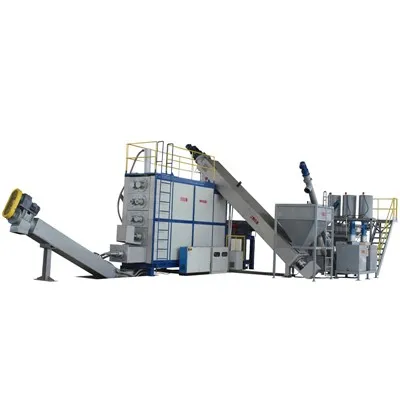
In some cases, a combination of power sources may be used to optimize the performance and efficiency of the recycling equipment. For example, a rubber recycling plant may use electric power for the initial stages of the recycling process, such as tire shredding and rubber granulation, and then use diesel power or hydraulic power for the more heavy-duty tasks, such as rubber extrusion and molding.
Conclusion
In conclusion, the power sources for rubber recycling equipment play a crucial role in the efficiency and sustainability of the recycling process. Electric power, diesel power, hydraulic power, and pneumatic power each have their own advantages and disadvantages, and the choice of power source depends on several factors, including the type of equipment, the scale of the operation, the availability of power, and the environmental impact.
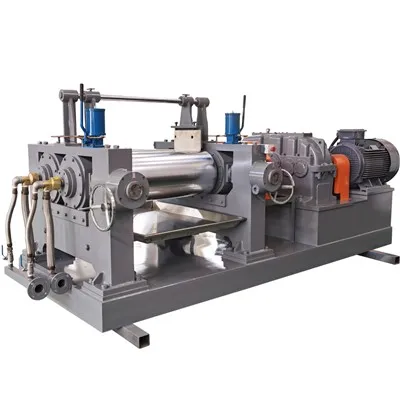
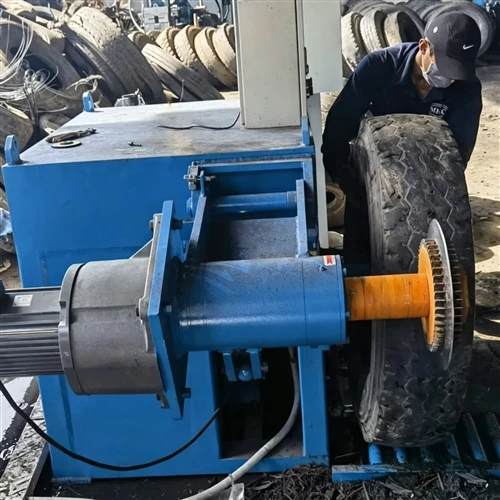
As a supplier of rubber recycling equipment, we offer a wide range of machines powered by different sources to meet the diverse needs of our customers. Our Two-shaft Tire Crushing Machine is available in both electric and diesel versions, providing high efficiency and reliability for tire shredding. Our Rubber Cracker Mill is powered by hydraulic systems, offering precise control and flexibility for rubber processing. And our Bead Grinder Machine uses pneumatic power for high-speed and precision bead grinding.
If you are interested in purchasing rubber recycling equipment or have any questions about the power sources, please feel free to contact us. We are committed to providing our customers with the best quality equipment and the most professional service.
References
- Smith, J. (2020). Power Sources for Industrial Equipment. Industrial Engineering Journal, 35(2), 123-135.
- Johnson, A. (2019). Environmental Impact of Different Power Sources in Recycling. Environmental Science Review, 22(3), 210-225.
- Brown, C. (2018). Hydraulic and Pneumatic Systems in Manufacturing. Manufacturing Technology Magazine, 45(6), 78-85.