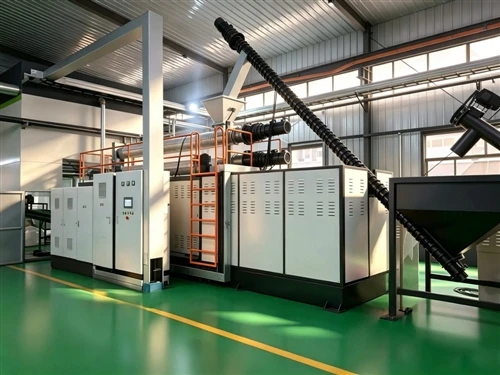
In the rubber processing industry, a Rubber Mixing Mill Machine is a cornerstone piece of equipment. As a supplier of these high - performance machines, I've witnessed firsthand the importance of regular and proper maintenance. This blog will delve into the common maintenance tasks for a Rubber Mixing Mill Machine, ensuring its longevity, efficiency, and optimal performance.
Daily Maintenance Tasks
Cleaning
One of the most fundamental daily maintenance tasks is cleaning. After each use, it's crucial to remove any residual rubber from the mixing rolls and other contact surfaces. Residual rubber can harden over time, which not only affects the quality of subsequent mixing processes but can also cause damage to the machine. Use a soft brush and a suitable cleaning agent to gently scrub the surfaces. Avoid using abrasive materials that could scratch the rolls, as scratches can lead to uneven mixing and premature wear.
Lubrication
Proper lubrication is key to the smooth operation of the Rubber Mixing Mill Machine. Check the lubrication levels in all the moving parts, such as bearings, gears, and chains. Most machines are equipped with lubrication points clearly marked. If the lubricant level is low, refill it with the recommended lubricant specified in the machine's manual. Using the wrong lubricant can cause excessive friction, overheating, and even mechanical failure.
Inspection of Electrical Components
The electrical system is the nerve center of the Rubber Mixing Mill Machine. Inspect all electrical connections for any signs of loose wires, frayed cables, or overheating. Loose connections can cause electrical arcing, which is a fire hazard, and can also lead to intermittent operation of the machine. Check the control panel for any error messages or abnormal readings. If you notice any issues with the electrical components, it's advisable to have a qualified electrician address them immediately.
Weekly Maintenance Tasks
Belt Tension Check
The belts in the Rubber Mixing Mill Machine are responsible for transferring power from the motor to the various components. Over time, belts can stretch or become loose. Check the tension of all belts on a weekly basis. If a belt is too loose, it can slip, causing a loss of power and reduced efficiency. On the other hand, if a belt is too tight, it can cause excessive stress on the bearings and other components, leading to premature wear. Adjust the belt tension according to the manufacturer's specifications.
Roll Alignment
The alignment of the mixing rolls is critical for achieving uniform mixing results. Misaligned rolls can cause uneven pressure distribution, which can lead to inconsistent rubber quality. Use alignment tools to check the parallelism and perpendicularity of the rolls. If misalignment is detected, make the necessary adjustments. This may involve loosening and tightening the appropriate bolts or using shims to correct the position of the rolls.
Filter Inspection and Replacement
Many Rubber Mixing Mill Machines are equipped with filters to remove impurities from the lubricating oil or coolant. Inspect these filters weekly to ensure they are not clogged. A clogged filter can restrict the flow of oil or coolant, leading to overheating and potential damage to the machine. If the filter is dirty, replace it with a new one. Make sure to use filters that are compatible with the machine's specifications.

Monthly Maintenance Tasks
Gearbox Maintenance
The gearbox is a vital component of the Rubber Mixing Mill Machine, responsible for transmitting power and controlling the speed of the rolls. Check the gearbox oil level and its condition on a monthly basis. If the oil is dirty or contaminated, drain it and refill it with new oil. Also, inspect the gears for any signs of wear, such as chipping or pitting. Worn gears can cause noise, vibration, and reduced efficiency. If significant wear is detected, the gears may need to be replaced.
Hydraulic System Check
If your Rubber Mixing Mill Machine is equipped with a hydraulic system, monthly maintenance is essential. Check the hydraulic fluid level and look for any signs of leaks. Leaks can lead to a loss of hydraulic pressure, which can affect the operation of the machine. Inspect the hydraulic hoses and fittings for any damage or wear. Also, check the operation of the hydraulic valves and cylinders to ensure they are functioning correctly.
Machine Structure Inspection
Inspect the overall structure of the Rubber Mixing Mill Machine for any signs of cracks, deformation, or loose bolts. The machine's structure provides the stability and support for all the components. Any structural issues can compromise the safety and performance of the machine. If you find any problems, take immediate action to repair or reinforce the structure.
Seasonal and Annual Maintenance Tasks
Comprehensive Lubrication System Overhaul
On a seasonal basis, it's a good idea to conduct a comprehensive overhaul of the lubrication system. This includes flushing the lubrication lines, replacing the filters, and inspecting the lubrication pumps. A well - maintained lubrication system ensures the smooth operation of all moving parts and extends the lifespan of the machine.
Annual Calibration
Once a year, the Rubber Mixing Mill Machine should be calibrated to ensure its accuracy and reliability. This involves checking and adjusting the temperature control system, speed control, and pressure settings. Calibration ensures that the machine operates within the specified parameters, resulting in consistent product quality.
Component Replacement
Over time, certain components of the Rubber Mixing Mill Machine will wear out and need to be replaced. Based on the machine's usage and operating conditions, components such as bearings, seals, and belts may need to be replaced annually. Regularly replacing these worn components can prevent more serious breakdowns and costly repairs.
The Role of Maintenance in Productivity and Quality
Proper maintenance of a Rubber Mixing Mill Machine has a direct impact on productivity and product quality. A well - maintained machine operates more efficiently, reducing downtime and increasing the overall output. By ensuring that the machine is in optimal condition, the quality of the mixed rubber is also improved, leading to better - quality end - products.
As a supplier of Rubber Mixing Mill Machines, we also offer a range of related equipment that can enhance your rubber processing operations. For example, our Pin Type Cold Feed Rubber Extruder is designed for high - precision extrusion of rubber compounds. The Hot - feed Rubber Strainer Extruder For EPDM/ Butyl is ideal for removing impurities from rubber materials. Our Screw Discharge Kneading Machine provides efficient kneading of rubber compounds. The Rubber Extruder Machine offers excellent extrusion performance, and the Rubber Refining Mill Reclaimed Rubber Sheet Machinery is suitable for refining reclaimed rubber sheets.
If you are in the market for a Rubber Mixing Mill Machine or any of our related products, or if you have questions about machine maintenance, we encourage you to contact us. Our team of experts is ready to assist you with your procurement needs and provide professional advice.
References
- Manufacturer's manuals of Rubber Mixing Mill Machines
- Industry standards for rubber processing equipment maintenance
- Technical papers on rubber machinery maintenance and operation