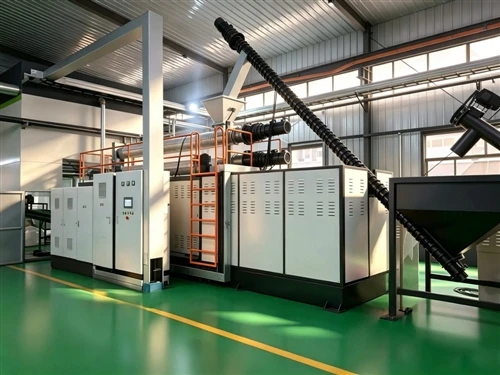
As a supplier of Devulcanizers, I've witnessed firsthand the importance of these machines in the rubber recycling industry. Devulcanizers play a crucial role in breaking down the cross - links in vulcanized rubber, allowing the rubber to be reused. However, like any complex piece of equipment, they can sometimes fail. In this blog post, I'll explore the various reasons for devulcanizer failure, which can help operators and maintenance teams troubleshoot and prevent such issues in the future.
1. Mechanical Wear and Tear
One of the most common reasons for devulcanizer failure is mechanical wear and tear. The devulcanizer operates under high - pressure and high - temperature conditions, which subject its mechanical components to significant stress. Over time, parts like the screws, barrels, and seals can wear out.
The screws in a devulcanizer are responsible for transporting and mixing the rubber material. As they rotate and push the rubber through the machine, the constant friction with the rubber and the internal surfaces of the barrel causes abrasion. If the screws are not made of high - quality, wear - resistant materials or if the operating conditions are too harsh, the screws can become worn. This can lead to reduced efficiency in rubber processing, as the worn screws may not be able to convey the rubber effectively, resulting in uneven devulcanization.
The barrels also face similar challenges. The inner surface of the barrel is in direct contact with the hot and abrasive rubber. Any damage to the barrel's surface can affect the flow of the rubber and the overall performance of the devulcanizer. Seals are another critical component. They prevent leakage of the rubber material and the process fluids. If the seals wear out, it can cause leakage, leading to a loss of pressure inside the devulcanizer, which is essential for the devulcanization process.

To mitigate mechanical wear and tear, regular maintenance is crucial. This includes inspecting the components for signs of wear, replacing worn parts in a timely manner, and using high - quality lubricants to reduce friction. You can find more information about related rubber recycling equipment such as Rubber Cracker Mill which can be used in the pre - processing stage of rubber before devulcanization.
2. Temperature and Pressure Issues
Devulcanization is a process that is highly sensitive to temperature and pressure. Incorrect temperature and pressure settings can lead to devulcanizer failure.
If the temperature is too low, the chemical reactions required for devulcanization may not occur effectively. The cross - links in the vulcanized rubber may not break down properly, resulting in incomplete devulcanization. On the other hand, if the temperature is too high, it can cause the rubber to degrade or even burn. This not only affects the quality of the recycled rubber but can also damage the devulcanizer itself.
Similarly, pressure is also a critical factor. Insufficient pressure may not provide enough force to break the cross - links in the rubber, while excessive pressure can put too much stress on the machine's components, leading to mechanical failures such as leaks, cracks, or even explosions in extreme cases.
To ensure proper temperature and pressure control, the devulcanizer should be equipped with accurate sensors and control systems. Regular calibration of these sensors is necessary to maintain their accuracy. Additionally, operators should be well - trained to understand the optimal temperature and pressure ranges for different types of rubber materials. For more in - depth knowledge about rubber processing equipment that can work in harmony with the devulcanizer, you can visit the page of Rubber Pulverizer Machine, which can further process the devulcanized rubber.
3. Contamination of Rubber Feedstock
The quality of the rubber feedstock used in the devulcanizer can significantly impact its performance. Contamination in the rubber feedstock can cause various problems.
Foreign materials such as metal particles, stones, or plastics can enter the devulcanizer along with the rubber. These foreign objects can cause damage to the mechanical components of the devulcanizer. For example, a metal particle can scratch the surface of the screws or barrels, leading to accelerated wear. Plastics may not melt or break down during the devulcanization process and can clog the machine's channels, preventing the proper flow of the rubber.
Moreover, the rubber feedstock may also be contaminated with chemical impurities. These impurities can interfere with the devulcanization process. They may react with the devulcanizing agents or the rubber itself, altering the chemical reactions and reducing the efficiency of devulcanization.
To prevent contamination, proper pre - processing of the rubber feedstock is necessary. This may involve sorting, washing, and screening the rubber to remove any foreign materials. You can use equipment like Bead Grinder Machine to remove metal beads from the rubber tires before they are fed into the devulcanizer.
4. Chemical Reaction Issues
Devulcanization is a chemical process that relies on specific chemical reactions to break the cross - links in the vulcanized rubber. Any issues with these chemical reactions can lead to devulcanizer failure.
The devulcanizing agents used in the process are crucial. If the wrong type or amount of devulcanizing agent is used, the cross - links in the rubber may not be broken effectively. For example, if the concentration of the devulcanizing agent is too low, it may not provide enough reactive molecules to attack the cross - links. Conversely, if the concentration is too high, it may cause side reactions that can damage the rubber or other components of the devulcanizer.
The reaction conditions, such as the presence of catalysts and the reaction time, also play a vital role. Some devulcanization processes require catalysts to speed up the chemical reactions. If the catalyst is not present or is in an inactive state, the reaction rate may be too slow, resulting in incomplete devulcanization. In addition, the reaction time must be carefully controlled. If the rubber is not in contact with the devulcanizing agents for a sufficient amount of time, the devulcanization process may not be completed.
To address chemical reaction issues, it is essential to conduct thorough research on the appropriate devulcanizing agents and catalysts for different types of rubber. Operators should also follow the recommended operating procedures precisely to ensure the proper chemical reactions take place. You can find more about advanced rubber recycling solutions that can support the chemical aspects of devulcanization in our Devulcanizer product page.
5. Electrical and Control System Failures
Modern devulcanizers are often equipped with complex electrical and control systems. These systems are responsible for regulating various parameters such as temperature, pressure, and the operation of mechanical components.
Electrical failures can occur due to a variety of reasons. Faulty wiring, loose connections, or damaged electrical components can cause power outages or malfunctions in the devulcanizer. For example, a short - circuit in the electrical system can lead to a sudden shutdown of the machine, which can disrupt the devulcanization process and potentially damage the rubber material inside.
The control system failures can be even more problematic. If the control system malfunctions, it may not be able to accurately regulate the temperature, pressure, or other critical parameters. This can result in incorrect operating conditions, leading to incomplete devulcanization or damage to the machine.
Regular inspection and maintenance of the electrical and control systems are necessary. This includes checking the wiring for any signs of damage, tightening loose connections, and testing the functionality of the control system components. For related equipment that can work in conjunction with the control system for better rubber recycling, you can refer to High Speed Mixing Equipment.
In conclusion, understanding the reasons for devulcanizer failure is essential for ensuring the smooth operation of the rubber recycling process. By addressing the issues related to mechanical wear and tear, temperature and pressure control, contamination of rubber feedstock, chemical reactions, and electrical and control systems, operators can minimize the risk of devulcanizer failure and improve the efficiency and quality of rubber recycling.
If you are interested in our Devulcanizers or other rubber recycling equipment, we welcome you to contact us for further discussion and potential procurement. We are committed to providing high - quality products and professional technical support to meet your rubber recycling needs.
References
- Smith, J., & Johnson, A. (2019). Advances in Rubber Recycling Technology. Journal of Rubber Science and Technology, 45(2), 101 - 115.
- Brown, C., & Green, D. (2020). Troubleshooting Guide for Rubber Processing Equipment. Industrial Machinery Press.
- White, R., & Black, S. (2021). Chemical Reactions in Rubber Devulcanization. Chemical Engineering Journal, 320, 1234 - 1245.