As a supplier of Asphalt Modifier Production Line, I've had numerous in - depth discussions with clients regarding the heat - insulation requirements for these production lines. Heat insulation is not just a minor consideration; it plays a pivotal role in the efficiency, safety, and overall performance of an asphalt modifier production line.
The Significance of Heat Insulation in Asphalt Modifier Production
Energy Efficiency
In an asphalt modifier production line, maintaining the right temperature is crucial. Asphalt modifiers are often produced at elevated temperatures. Without proper heat insulation, a significant amount of heat is lost to the surrounding environment. This heat loss means that the heating systems have to work harder and consume more energy to maintain the required production temperature. For example, if the production process requires a temperature of 180°C and the heat insulation is poor, the system may need to continuously supply extra heat to compensate for the loss. Over time, this can lead to a substantial increase in energy costs. By investing in high - quality heat insulation materials and techniques, we can minimize heat loss, which directly translates into lower energy consumption and cost savings for the production facility.
Product Quality
The quality of asphalt modifiers is highly sensitive to temperature fluctuations. Inconsistent temperatures during the production process can lead to uneven mixing, incomplete reactions, and changes in the chemical properties of the modifiers. Heat insulation helps to create a stable thermal environment within the production line. This stability ensures that the chemical reactions involved in asphalt modifier production occur under optimal conditions, resulting in a more uniform and high - quality product. For instance, in the production of polymer - modified asphalt, maintaining a constant temperature is essential for the proper dispersion of polymers in the asphalt matrix. Any significant temperature drop can cause the polymers to agglomerate, leading to a sub - standard product.
Worker Safety
High - temperature equipment in an asphalt modifier production line poses a significant safety risk to workers. Without adequate heat insulation, the outer surfaces of the equipment can become extremely hot, increasing the likelihood of burns and other heat - related injuries. Heat insulation materials act as a barrier, reducing the surface temperature of the equipment to a safe level. This not only protects the workers but also improves the overall working conditions in the production facility.
Heat - Insulation Requirements for Different Components of the Production Line
Reactors
Reactors are the heart of an asphalt modifier production line, where the main chemical reactions take place. These vessels need to be well - insulated to maintain a stable temperature during the reaction process. The heat - insulation material for reactors should have a low thermal conductivity to minimize heat transfer. Materials such as mineral wool, fiberglass, and ceramic fiber are commonly used due to their excellent insulation properties. The insulation thickness also needs to be carefully calculated based on the reactor's size, operating temperature, and the surrounding environment. For large - scale reactors operating at high temperatures, a thicker layer of insulation may be required to ensure effective heat retention.

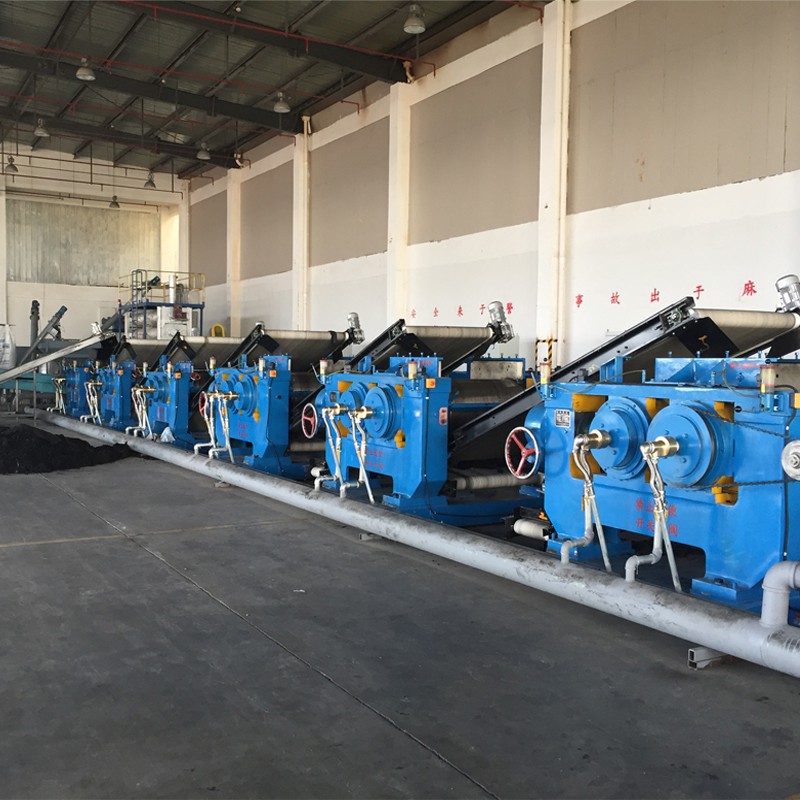
Pipes and Ducts
Pipes and ducts are used to transport the raw materials, intermediate products, and final asphalt modifiers within the production line. Heat loss through these conduits can lead to temperature drops, which can affect the flow properties of the materials and the overall efficiency of the production process. Insulating pipes and ducts is essential to prevent such losses. Pre - fabricated insulation sleeves made of materials like polyurethane foam or rubber insulation are often used for pipes. These sleeves are easy to install and provide good insulation performance. For ducts, similar insulation materials can be applied, and in some cases, additional protective coatings may be added to prevent damage and improve durability.
Storage Tanks
Storage tanks are used to store the produced asphalt modifiers before they are transported or further processed. Maintaining the proper temperature in these tanks is crucial to prevent the modifiers from solidifying or undergoing chemical changes during storage. Heat - insulation requirements for storage tanks are similar to those of reactors. The insulation should be able to withstand the long - term storage conditions and provide consistent thermal protection. In addition to the insulation material, the design of the tank, including the shape and the presence of any internal heating systems, also affects the heat - insulation performance.
Factors Affecting Heat - Insulation Performance
Material Selection
The choice of heat - insulation material is one of the most critical factors affecting the performance of the insulation system. Different materials have different thermal conductivities, densities, and resistance to environmental factors. For example, mineral wool has a relatively low thermal conductivity and is fire - resistant, making it suitable for high - temperature applications. Fiberglass is lightweight and easy to install, but it may require additional protection against moisture. Ceramic fiber offers excellent insulation at very high temperatures but can be more expensive. When selecting the insulation material, we need to consider the specific requirements of the production line, such as the operating temperature range, the presence of chemicals, and the budget.
Installation Quality
Even the best heat - insulation material will not perform well if it is not installed correctly. Proper installation is essential to ensure that there are no gaps or voids in the insulation layer, which can allow heat to escape. The insulation should be tightly wrapped around the equipment and components, and all joints and seams should be sealed properly. In addition, the installation process should take into account any future maintenance requirements. For example, some insulation materials may need to be removed and reinstalled during equipment maintenance, so the installation method should allow for easy disassembly and reassembly.
Environmental Conditions
The surrounding environment can also have a significant impact on the heat - insulation performance. Factors such as humidity, temperature, and the presence of corrosive substances can affect the durability and effectiveness of the insulation material. In a humid environment, insulation materials that are resistant to moisture, such as closed - cell foam insulation, should be used. In areas with high levels of chemical exposure, the insulation material should be chemically resistant to prevent degradation.
Meeting the Heat - Insulation Requirements
As a supplier of Asphalt Modifier Production Line, we understand the importance of meeting the heat - insulation requirements. We offer comprehensive heat - insulation solutions for our production lines, including high - quality insulation materials, professional installation services, and technical support. Our team of experts can conduct a detailed analysis of the production facility's specific needs and recommend the most suitable heat - insulation solutions.
In addition to asphalt modifier production lines, we also provide other related production lines such as Rubber Granulation Production Line and Reclaimed Rubber Production Line. These production lines also have their own heat - insulation requirements, and we can offer customized solutions to meet those needs as well.
If you are interested in our asphalt modifier production line or have any questions about heat - insulation requirements, we encourage you to contact us for a detailed discussion. Our sales team is ready to provide you with more information and assist you in making the right decision for your production facility.
References
- ASTM International. (20XX). Standard test methods for thermal conductivity of thermal insulation.
- ASHRAE Handbook. (20XX). Fundamentals.
- Smith, J. (20XX). Heat transfer in industrial processes. Wiley.