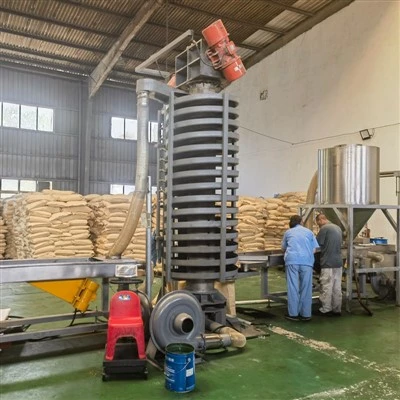
Hey there! As a supplier of devulcanizers, I'm super stoked to walk you through the operation steps of these nifty machines. Devulcanization is a key process in rubber recycling, and understanding how a Devulcanizer works is crucial for anyone looking to get into the game.
Step 1: Preparation
Before you even think about firing up the devulcanizer, you've got to do some prep work. First off, gather your raw materials. You'll need vulcanized rubber scraps, and these can come from all sorts of sources like old tires, industrial rubber parts, or even rubber waste from manufacturing processes.
Once you've got your rubber scraps, it's time to size them down. This is where machines like the Rubber Cracker Mill and the Single Shaft Tire Crushing Machine come in handy. These machines break down the large rubber pieces into smaller, more manageable chunks. This not only makes it easier to feed the rubber into the devulcanizer but also speeds up the devulcanization process.
It's also important to clean the rubber scraps. Any dirt, debris, or other contaminants can affect the quality of the devulcanized rubber. You can use simple cleaning methods like washing the rubber in a water tank or using specialized cleaning equipment to get the rubber as clean as possible.
Step 2: Loading the Devulcanizer
Now that your rubber scraps are prepped, it's time to load them into the devulcanizer. Most devulcanizers have a feed hopper where you can pour the rubber chunks. Make sure to follow the manufacturer's guidelines on how much rubber to load at once. Overloading the machine can lead to uneven devulcanization and may even cause damage to the equipment.
Some devulcanizers also require the addition of certain chemicals or additives during the loading process. These chemicals help break the sulfur bonds in the vulcanized rubber, which is the key step in devulcanization. The type and amount of chemicals needed will depend on the specific type of rubber and the devulcanizer you're using.
Step 3: Heating and Agitation
Once the rubber is loaded into the devulcanizer, the next step is to heat it up. The devulcanizer uses a heating system to raise the temperature of the rubber to a specific level. This temperature is carefully controlled to ensure that the sulfur bonds in the rubber are broken without degrading the rubber itself.
At the same time, the devulcanizer also agitates the rubber. This can be done through various means, such as using rotating blades or a mixing chamber. The agitation helps distribute the heat evenly throughout the rubber and ensures that all parts of the rubber are exposed to the devulcanizing chemicals.
The heating and agitation process can take anywhere from a few minutes to several hours, depending on the type of rubber, the size of the rubber chunks, and the specific devulcanization method being used. It's important to monitor the process closely to ensure that the temperature and agitation are within the correct range.
Step 4: Cooling
After the rubber has been heated and agitated for the required amount of time, it's time to cool it down. Cooling the devulcanized rubber helps stabilize its properties and prevents it from deforming. Most devulcanizers have a built-in cooling system, which can use air, water, or a combination of both to cool the rubber.
The cooling process should be gradual to avoid any thermal shock to the rubber. Rapid cooling can cause the rubber to crack or become brittle. Once the rubber has cooled to a safe temperature, it can be removed from the devulcanizer.
Step 5: Post-Processing
Once the devulcanized rubber is out of the devulcanizer, it's not quite ready to be used yet. There are a few post-processing steps that need to be done.
First, you may need to further refine the rubber. This can be done using a Rubber Pulverizer Machine to grind the rubber into a finer powder. This powder can then be used in various applications, such as making new rubber products or as an additive in other materials.
You may also need to test the quality of the devulcanized rubber. This can involve checking its physical properties, such as hardness, tensile strength, and elasticity, as well as its chemical composition. If the rubber doesn't meet the required standards, you may need to adjust the devulcanization process or repeat some of the steps.
Types of Devulcanizers and Their Operation Variations
There are different types of devulcanizers available in the market, and the operation steps may vary slightly depending on the type. For example, a Butyl Devulcanizer is specifically designed for devulcanizing butyl rubber. Butyl rubber has unique properties, and the devulcanization process may require different temperatures, chemicals, or agitation methods compared to other types of rubber.
Some devulcanizers use a continuous process, where rubber is fed into the machine continuously and the devulcanized rubber is output at the other end. This is great for large-scale production. Other devulcanizers use a batch process, where a specific amount of rubber is loaded into the machine at a time, and the process is completed before the next batch is loaded. Batch processes are often more suitable for small-scale operations or for testing different types of rubber.
Why Choose Our Devulcanizers
As a devulcanizer supplier, we take pride in offering high-quality machines that are easy to operate and maintain. Our devulcanizers are designed with the latest technology to ensure efficient and effective devulcanization. We also provide comprehensive training and support to our customers, so you can be confident that you'll be able to operate the machine properly from day one.
Whether you're a small business looking to start recycling rubber or a large industrial operation in need of a reliable devulcanization solution, we've got you covered. Our team of experts is always on hand to answer any questions you may have and to help you choose the right devulcanizer for your specific needs.
Let's Connect and Start Recycling!
If you're interested in learning more about our devulcanizers or if you're ready to start a purchase negotiation, don't hesitate to reach out. We're excited to work with you and help you take your rubber recycling efforts to the next level.
Overall, the operation of a devulcanizer is a complex but fascinating process. By following these steps and choosing the right equipment, you can turn old rubber scraps into valuable materials and contribute to a more sustainable future.


References
- Industry knowledge on rubber recycling and devulcanization processes.
- Manufacturer's manuals for various rubber recycling equipment.