Spare parts management is a crucial aspect of any production line solution. As a supplier of production line solutions, I understand the significance of ensuring that spare parts are managed effectively to maintain the smooth operation of the production lines. In this blog, I will discuss the key requirements for spare parts management in a production line solution.
Understanding the Production Line Requirements
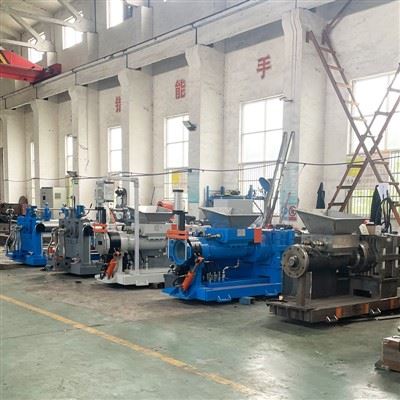
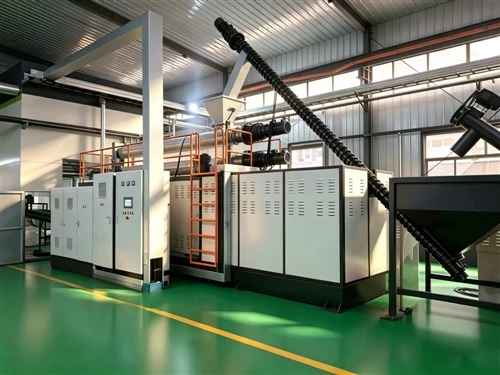
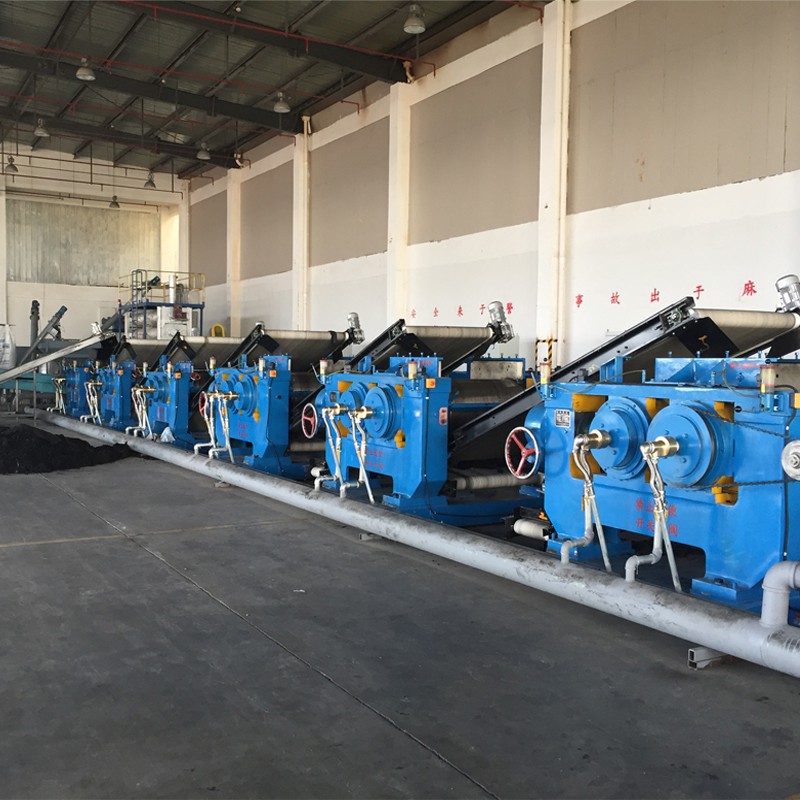
The first step in spare parts management is to have a comprehensive understanding of the production line requirements. Each production line has its unique set of components and parts that are subject to wear and tear over time. For example, in a Reclaimed Rubber Production Line, there are specific parts such as crushers, mixers, and extruders that need to be monitored and maintained. Similarly, an Asphalt Modifier Production Line may require spare parts for heating systems, pumps, and control panels.
By analyzing the production process, we can identify the critical parts that are essential for the line's operation. This involves studying the equipment's specifications, operating conditions, and historical failure rates. For instance, parts that are exposed to high temperatures, pressures, or abrasive materials are more likely to fail and thus need to be stocked as spare parts.
Inventory Management
Once the critical spare parts are identified, the next step is to establish an effective inventory management system. This system should balance the need to have sufficient spare parts on hand to avoid production downtime with the cost of holding inventory.
- Demand Forecasting: Use historical data, production schedules, and equipment performance trends to forecast the demand for spare parts. For example, if a particular part has a history of failing every six months, we can plan to have a replacement part in stock at the appropriate time.
- Safety Stock: Maintain a safety stock of critical spare parts to account for unexpected failures or delays in the supply chain. The safety stock level should be based on factors such as lead time, variability in demand, and the impact of downtime on production.
- Inventory Classification: Classify spare parts into different categories based on their importance, cost, and availability. For example, we can use the ABC analysis, where A items are high-value, critical parts that require close monitoring and frequent replenishment, B items are moderately important, and C items are low-value, non-critical parts with less strict inventory control.
- Inventory Tracking: Implement a system to track the inventory levels of spare parts in real-time. This can be done using barcode scanners, RFID tags, or inventory management software. By having accurate inventory data, we can avoid overstocking or understocking of spare parts.
Supplier Management
A reliable supply chain is essential for effective spare parts management. We need to establish strong relationships with suppliers to ensure the timely delivery of high-quality spare parts.

- Supplier Selection: Choose suppliers based on their reputation, quality of products, delivery times, and pricing. Conduct thorough supplier evaluations and audits to ensure that they meet our requirements. For example, we can request samples of spare parts and test them to ensure their compatibility and performance.
- Contract Negotiation: Negotiate favorable contracts with suppliers that include terms such as lead times, delivery schedules, quality guarantees, and pricing. A long-term contract can provide stability and cost savings.
- Supplier Performance Monitoring: Continuously monitor the performance of suppliers in terms of delivery times, quality of parts, and responsiveness to issues. Establish key performance indicators (KPIs) and regularly review supplier performance against these KPIs. If a supplier fails to meet the agreed-upon standards, take appropriate action, such as issuing warnings or seeking alternative suppliers.
Maintenance and Repair
Proper maintenance and repair of spare parts are also important aspects of spare parts management.
- Preventive Maintenance: Implement a preventive maintenance program for the production line equipment to reduce the likelihood of failures. This includes regular inspections, lubrication, and calibration of equipment. By performing preventive maintenance, we can extend the lifespan of parts and reduce the need for frequent replacements.
- Repair and Reconditioning: Establish a repair and reconditioning process for spare parts. Some parts can be repaired or reconditioned instead of being replaced, which can save costs. For example, worn-out bearings can be refurbished, and damaged seals can be replaced.
- Training and Skills Development: Provide training to maintenance staff on the proper handling, installation, and repair of spare parts. Ensure that they have the necessary skills and knowledge to perform maintenance tasks effectively.
Documentation and Record-Keeping
Maintaining accurate documentation and records is crucial for spare parts management.
- Part Documentation: Keep detailed documentation of each spare part, including its specifications, installation instructions, and maintenance requirements. This documentation can be used to ensure that the correct part is selected and installed, and to provide guidance for maintenance and repair.
- Maintenance Records: Keep records of all maintenance activities, including inspections, repairs, and replacements. These records can be used to track the performance of equipment and parts over time, identify recurring problems, and plan for future maintenance.
- Inventory Records: Maintain accurate inventory records that include information such as part numbers, descriptions, quantities on hand, and locations. These records can be used to manage the inventory effectively and to generate reports on inventory levels and usage.
Quality Control
Ensuring the quality of spare parts is essential to prevent equipment failures and production downtime.
- Incoming Inspection: Conduct incoming inspections of all spare parts upon receipt to ensure that they meet the specified quality standards. This can include visual inspections, dimensional checks, and performance testing.
- Quality Assurance: Implement a quality assurance program to ensure that the spare parts are manufactured and supplied in accordance with the required quality standards. This may involve working with suppliers to establish quality control procedures and conducting regular audits of their manufacturing facilities.
Integration with Production Planning
Spare parts management should be integrated with the overall production planning process.
- Production Scheduling: Consider the availability of spare parts when scheduling production. For example, if a critical part is due for replacement, plan the production schedule to allow for the maintenance or replacement without causing significant disruption to production.
- Capacity Planning: Use spare parts management data to inform capacity planning. If a particular part has a high failure rate and requires frequent replacement, it may be necessary to consider upgrading the equipment or increasing the inventory of the spare part to ensure sufficient production capacity.
Training and Education
Provide training and education to all relevant personnel, including production operators, maintenance staff, and inventory managers.
- Operator Training: Train production operators on the proper use and care of equipment to reduce the likelihood of premature part failures. For example, operators should be trained on how to operate the equipment within the specified parameters and how to perform basic maintenance tasks such as cleaning and lubrication.
- Maintenance Staff Training: Provide maintenance staff with training on the latest repair techniques, equipment technologies, and safety procedures. This can help them to diagnose and repair problems more quickly and effectively.
- Inventory Manager Training: Train inventory managers on inventory management principles, software systems, and supply chain management. This can improve the efficiency and effectiveness of the inventory management system.
Continuous Improvement
Spare parts management is an ongoing process that requires continuous improvement.
- Performance Monitoring: Regularly monitor the performance of the spare parts management system using key performance indicators (KPIs) such as inventory turnover, downtime due to spare parts shortages, and cost of inventory.
- Root Cause Analysis: Conduct root cause analysis of any spare parts-related issues, such as inventory shortages, part failures, or quality problems. Identify the underlying causes and implement corrective actions to prevent similar issues from occurring in the future.
- Process Optimization: Continuously review and optimize the spare parts management processes, including inventory management, supplier management, and maintenance procedures. Look for opportunities to reduce costs, improve efficiency, and enhance the reliability of the production line.
In conclusion, effective spare parts management is essential for the smooth operation of a production line solution. By understanding the production line requirements, implementing an effective inventory management system, establishing strong supplier relationships, ensuring quality control, integrating with production planning, providing training and education, and continuously improving the processes, we can minimize production downtime, reduce costs, and improve the overall performance of the production line.
If you are interested in learning more about our production line solutions and our approach to spare parts management, or if you have specific requirements for your production line, we invite you to contact us for a detailed discussion. Our team of experts is ready to assist you in finding the best solution for your business needs.
References
- APICS Dictionary, 15th edition
- "Maintenance, Reliability, and Quality: Integrating Practices for Optimal Performance" by John A. Miller
- "Inventory Management: Principles and Practices" by David Pyke and Robert M. Cohen