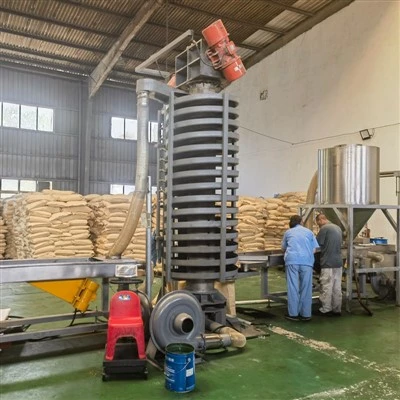
Hey there! As a supplier of production line solutions, I've been thinking a lot about the training and development needs of employees who work with our equipment. It's no secret that a well - trained workforce is the backbone of any successful production operation. So, let's dive into what those needs are and how we can address them.
Technical Skills Training
First off, technical skills are a must. Our production line solutions, like the Waste Tire Recycling Rubber Powder Production Line, the Asphalt Modifier Production Line, and the Reclaimed Rubber Production Line, are complex pieces of machinery. Employees need to understand how to operate, maintain, and troubleshoot them.
Operation Training
Operating the production lines requires in - depth knowledge of the equipment's functions. For example, in a waste tire recycling rubber powder production line, workers need to know how to feed the tires into the system, adjust the settings for different tire sizes, and ensure a consistent output of rubber powder. This kind of training should be hands - on, with employees getting real - time experience on the actual production line under the supervision of an experienced operator.
Maintenance Training
Regular maintenance is crucial to keep the production lines running smoothly. Employees should be trained on basic maintenance tasks such as cleaning, lubricating, and replacing parts. They need to understand the importance of preventive maintenance to avoid costly breakdowns. For instance, in an asphalt modifier production line, improper maintenance of the mixing equipment can lead to uneven product quality and reduced efficiency. Training programs should cover maintenance schedules, safety procedures during maintenance, and how to identify early signs of equipment wear and tear.
Troubleshooting Training
Even with the best maintenance, problems can still occur. Employees need to be able to quickly diagnose and solve issues. This might involve learning how to read error codes on the control panels, understanding the electrical and mechanical systems of the production line, and knowing when to call in more specialized technicians. For example, if there's a blockage in a reclaimed rubber production line, workers should be able to identify the location of the blockage and take appropriate steps to clear it.
Safety Training
Safety is non - negotiable in a production environment. Working with production line solutions involves various hazards, such as moving parts, high - pressure systems, and exposure to chemicals.
General Safety Procedures
Employees should be trained on general safety rules, like wearing appropriate personal protective equipment (PPE). This includes safety glasses, gloves, and hard hats, depending on the specific production line. They also need to know how to handle emergency situations, such as fires, chemical spills, or equipment malfunctions. For example, in an asphalt modifier production line, where there are hot materials and potentially flammable substances, workers need to know the location of fire extinguishers and the proper procedures for evacuating the area.
Hazard - Specific Training
Each production line has its own set of hazards. In a waste tire recycling rubber powder production line, there's a risk of dust inhalation, so workers need to be trained on the proper use of dust - control equipment and ventilation systems. In a reclaimed rubber production line, there might be exposure to chemicals used in the recycling process, and employees should be educated on how to handle these chemicals safely.
Quality Control Training
Producing high - quality products is the goal of any production operation. Employees need to understand the importance of quality control and how to implement it on the production line.
Quality Standards
They should be familiar with the quality standards for the products produced by the production line. For example, in an asphalt modifier production line, the modifier needs to meet specific chemical and physical properties to be effective. Workers need to know how to measure these properties using appropriate testing equipment and ensure that the product meets the required specifications.
Inspection Techniques
Training should include how to conduct inspections at different stages of the production process. In a waste tire recycling rubber powder production line, workers might need to inspect the rubber powder for impurities, particle size distribution, and moisture content. They should be trained on the proper sampling methods and how to use inspection tools accurately.
Soft Skills Training
In addition to technical skills, soft skills are also important for employees using production line solutions.
Teamwork
Production lines are often part of a larger manufacturing process that requires teamwork. Employees need to be able to communicate effectively with their colleagues, share information, and work together towards a common goal. For example, in a reclaimed rubber production line, the workers on the feeding station need to coordinate with those on the processing and packaging stations to ensure a continuous flow of production.
Problem - Solving and Decision - Making
Production environments are dynamic, and employees need to be able to make quick decisions when faced with problems. They should be trained to think critically, analyze situations, and come up with solutions. For instance, if there's a sudden change in the input material quality in an asphalt modifier production line, workers need to decide whether to adjust the production process or reject the material.
Adaptability
The manufacturing industry is constantly evolving, and new technologies and processes are being introduced all the time. Employees need to be adaptable and willing to learn new skills. For example, if a new software system is installed on the production line to improve efficiency, workers should be open to learning how to use it.

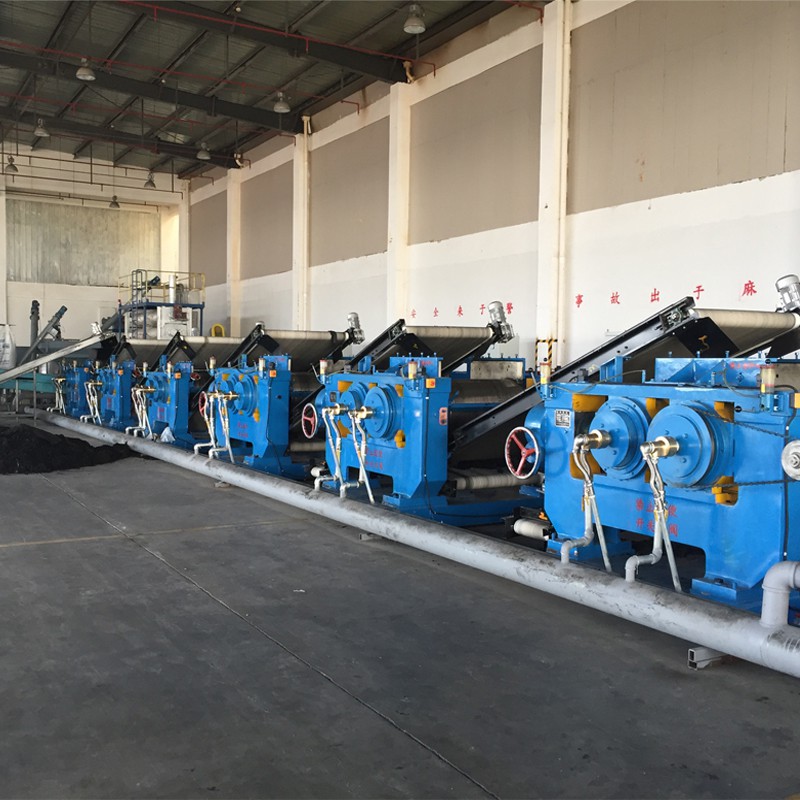
How We Can Provide Training and Development
As a production line solution supplier, we can play a crucial role in providing training and development opportunities for employees.
On - site Training
We can offer on - site training programs where our experts come to the customer's facility and train the employees directly on the production line. This allows for hands - on learning and immediate application of the skills.
Online Training Resources
In addition to on - site training, we can provide online training materials such as video tutorials, e - books, and interactive courses. These resources can be accessed by employees at their own pace, allowing them to review and reinforce their learning.
Continuous Support
We should also offer continuous support after the initial training. This might include technical support hotlines, regular follow - up visits, and updates on new features or improvements to the production line.
Conclusion
In conclusion, the training and development needs for employees using production line solutions are multi - faceted. Technical skills, safety training, quality control, and soft skills are all essential components. As a production line solution supplier, we are committed to helping our customers train their employees to get the most out of our equipment. If you're interested in our production line solutions and want to discuss the training and development options for your employees, don't hesitate to reach out to us. We're here to help you optimize your production processes and achieve your business goals.
References
- Manufacturing Institute. (2020). The Skills Gap in U.S. Manufacturing.
- OSHA. (2021). Safety Training Guidelines for Manufacturing Industries.
- Quality Assurance Institute. (2019). Quality Control Best Practices in Production.