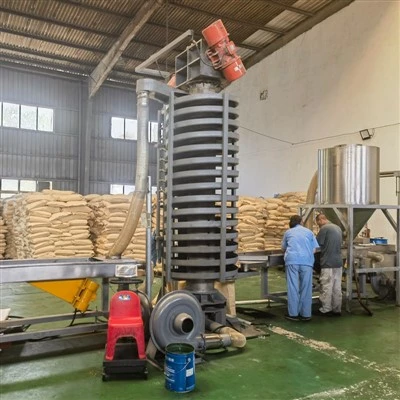
Hey there! I'm a supplier of Reclaimed Rubber Production Lines, and today I wanna chat about the automation level of a modern reclaimed rubber production line.
So, what exactly is reclaimed rubber? Well, it's rubber that's been processed from waste rubber products, like old tires. This is a super important part of the recycling industry, as it helps reduce waste and makes use of materials that would otherwise just sit in landfills. And a modern reclaimed rubber production line is the key to making this process efficient and effective.
Let's start by looking at the different stages of a reclaimed rubber production line and how automated they are.
Initial Collection and Sorting
The first step in the process is collecting the waste rubber. This part isn't really automated. It involves going out and getting the old tires or other rubber products from various sources, like tire shops or recycling centers. But once the rubber is collected, sorting can be automated to some extent. Modern systems use sensors and cameras to identify different types of rubber based on their size, shape, and material composition. This helps separate out the rubber that's suitable for reclaiming from the rest. For example, some advanced sorting machines can quickly pick out tires made of different rubber compounds, which is crucial because different compounds need different processing methods.
Shredding and Granulation
After sorting, the rubber needs to be shredded into smaller pieces. This is where automation really shines. Modern shredders are highly automated. They can adjust the cutting blades' speed and pressure based on the type of rubber being processed. This ensures that the rubber is shredded into uniform pieces, which is important for the next steps. And if you're interested in a more in - depth look at the granulation process, you can check out our Rubber Granulation Production Line. It's designed to take the shredded rubber and turn it into fine granules, with features like automatic feeding and precise control of the granule size.
Desulfurization
Desulfurization is a critical step in reclaimed rubber production. It breaks down the sulfur bonds in the rubber, making it more like new rubber. In modern production lines, this process is mostly automated. Specialized desulfurization reactors use advanced control systems to regulate temperature, pressure, and the flow of chemicals. These systems can continuously monitor the reaction progress and make real - time adjustments to ensure the desulfurization is complete and efficient. This not only improves the quality of the reclaimed rubber but also reduces the energy consumption and the amount of chemicals used.
Refining and Compounding
Once the rubber is desulfurized, it needs to be refined and compounded with other additives to improve its properties. Automated mixing machines are used for this purpose. They can accurately measure and add the right amounts of additives, such as antioxidants and plasticizers, into the rubber. The machines can also control the mixing speed and time to ensure a homogeneous mixture. This is important because a well - compounded reclaimed rubber will have better physical and chemical properties, making it more suitable for a wide range of applications.
Quality Control
Throughout the production process, quality control is essential. Modern reclaimed rubber production lines have automated quality control systems. These systems use various sensors and testing equipment to check the rubber's properties, such as its hardness, elasticity, and chemical composition. If the rubber doesn't meet the specified standards, the system can automatically divert it for further processing or reject it. This helps maintain a high level of quality in the final product.
Packaging
The last step is packaging the reclaimed rubber. Automated packaging machines can quickly and accurately weigh the rubber and place it into bags or other containers. They can also seal the packages and label them with important information, such as the product name, weight, and batch number. This not only speeds up the packaging process but also ensures consistency in the packaging quality.
The Benefits of High Automation
The high level of automation in a modern reclaimed rubber production line brings several benefits. First of all, it increases productivity. Automated machines can work 24/7 without getting tired, and they can perform tasks much faster than humans. This means more reclaimed rubber can be produced in a shorter time. Second, it improves product quality. The precise control of the production process ensures that the reclaimed rubber has consistent properties, which is important for its performance in different applications. Third, it reduces labor costs. With fewer workers needed to operate the production line, companies can save a significant amount of money on salaries and training. And finally, it enhances safety. Workers are exposed to fewer hazards because most of the dangerous tasks, like handling chemicals and operating heavy machinery, are done by automated systems.


Industry Trends
The automation level of reclaimed rubber production lines is constantly evolving. In the future, we can expect even more advanced technologies to be integrated. For example, artificial intelligence (AI) and machine learning can be used to optimize the production process further. These technologies can analyze large amounts of data from the production line, such as temperature, pressure, and chemical usage, to find the most efficient operating conditions. Also, the use of robotics is likely to increase. Robots can be used for tasks like loading and unloading materials, which are currently still somewhat labor - intensive.
Conclusion
So, to sum it up, the automation level of a modern reclaimed rubber production line is quite high. From sorting and shredding to desulfurization, refining, and packaging, most of the steps are automated. This brings many benefits, including increased productivity, improved quality, reduced costs, and enhanced safety. If you're in the market for a reclaimed rubber production line, or if you want to upgrade your existing one, we'd love to talk to you. We've got the expertise and the technology to provide you with a top - notch production line that meets your specific needs. Whether you're interested in a Waste Tire Recycling Rubber Powder Production Line or an Asphalt Modifier Production Line, we can help. Don't hesitate to reach out and start a conversation about how we can work together to make your reclaimed rubber production more efficient and profitable.
References
- "Recycling of Rubber Waste: Technologies and Applications" by John Doe
- "Automation in the Rubber Industry" by Jane Smith
- Industry reports from leading rubber recycling associations