Alright, folks! As a supplier of Rubber Refining Mills, I often get asked about the maintenance cost of these machines. So, I thought I'd break it down for you in this blog post.
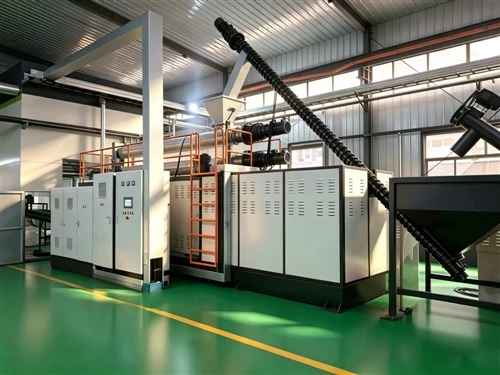
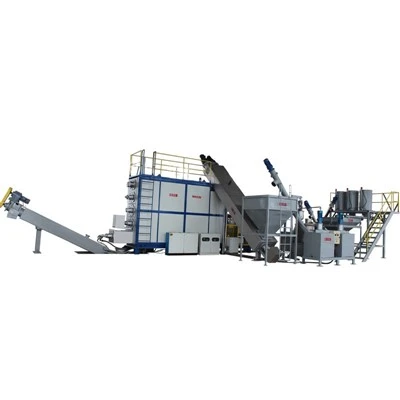
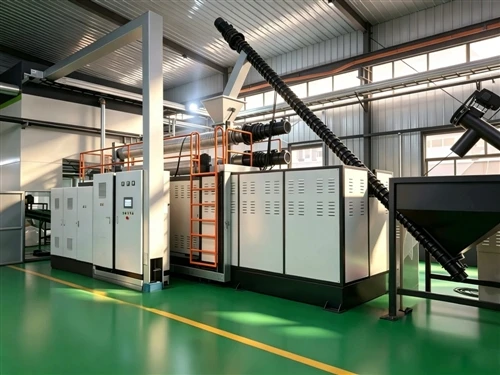
First off, let's understand what a Rubber Refining Mill is. It's a key piece of equipment in the rubber processing industry, used to mix, refine, and homogenize rubber compounds. There are different types, like the Rubber Mixing Mill Machine, which is great for general mixing tasks. And then we have the Continuous Screw Rubber Mixing Mill Machine, which offers a more continuous and efficient mixing process.
Now, let's talk about the maintenance cost. There are several factors that can affect how much you'll spend on keeping your Rubber Refining Mill in top - notch condition.
1. Wear and Tear on Components
The rollers are the heart of a Rubber Refining Mill. They're constantly in contact with the rubber compounds, which means they're subject to a lot of friction and abrasion. Over time, the surface of the rollers can get worn down. Replacing a roller can be quite costly. The cost depends on the size and material of the roller. High - quality steel rollers, which are more durable, will generally cost more to replace than standard ones.
Another component that experiences wear is the bearings. The bearings support the rotating parts of the mill. If they're not properly lubricated or if they get contaminated with rubber particles or debris, they can wear out quickly. Replacing bearings is also an expense you need to factor into your maintenance budget.
2. Lubrication
Lubrication is crucial for a Rubber Refining Mill. It reduces friction between moving parts, which in turn helps to prevent excessive wear and tear. You need to use the right type of lubricant, and it has to be applied at the correct intervals. The cost of lubricants can add up over time, especially if you have a large - scale operation with multiple mills. And don't forget about the labor cost of applying the lubricant. You need to have trained staff to do this job properly to ensure that all the right parts are lubricated.
3. Electrical Components
Modern Rubber Refining Mills have a lot of electrical components. These include motors, controllers, and sensors. Electrical components can fail due to overheating, electrical surges, or just general wear and tear. When an electrical component fails, it may need to be replaced. The cost of replacement parts for electrical systems can vary widely. For example, a simple sensor might not cost much, but a high - power motor can be quite expensive. And then there's the cost of having an electrician come in to install the new part.


4. Cleaning
Regular cleaning is essential for a Rubber Refining Mill. Rubber residues can build up on the machine, which can affect its performance. Cleaning involves removing the rubber from the rollers, the interior of the machine, and any other parts that come into contact with the rubber. You might need special cleaning agents and tools, which all have a cost. And of course, cleaning takes time, so you also have to consider the labor cost associated with it.
5. Calibration and Alignment
The Rubber Refining Mill needs to be properly calibrated and aligned to ensure that it produces high - quality rubber compounds. Over time, the machine can get out of alignment due to vibrations, temperature changes, or normal wear and tear. Calibration and alignment usually require specialized equipment and trained technicians. The cost varies depending on the complexity of the machine and how far out of alignment it is.
Estimating the Maintenance Cost
It's hard to give an exact figure for the maintenance cost of a Rubber Refining Mill because it depends on so many factors. For a small - scale operation with one basic Rubber Refining Mill, the annual maintenance cost could be anywhere from a few thousand dollars to around $10,000. This would cover basic component replacements, lubrication, and general cleaning.
For larger operations with multiple mills and more advanced machines, the cost can be much higher. You could be looking at tens of thousands of dollars per year. However, it's important to remember that regular maintenance can actually save you money in the long run. A well - maintained mill will have a longer lifespan, produce better - quality products, and have fewer breakdowns, which means less downtime and lost production.
Other Related Machines and Their Maintenance
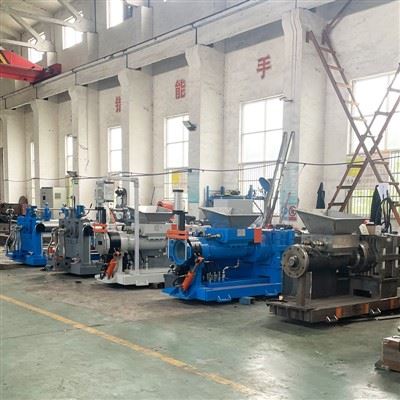
Apart from the Rubber Refining Mill, there are other machines in the rubber processing line. For example, the Rubber Extruder Machine is used to shape the rubber compounds. It also has its own maintenance requirements. The screw inside the extruder can wear out, and the heating elements may need to be replaced.
The XJL - 150 Double Wrist Feed Rubber Strainer Extruder Machine is another specialized machine. Its maintenance will involve cleaning the strainer screens, checking the feed mechanisms, and making sure the extruding parts are in good condition.
And the Hot Feed Rubber Extruder needs to have its heating system maintained to ensure that the rubber remains at the right temperature during the extrusion process. All these machines add to the overall maintenance cost of a rubber processing plant.
Why Choose Our Rubber Refining Mills
As a supplier, we offer high - quality Rubber Refining Mills. Our machines are built with durable components, which means they'll require less frequent maintenance. We also provide after - sales support, including training on how to properly maintain the machine. This can help you reduce your maintenance cost and ensure that your mill runs smoothly for years to come.
If you're in the market for a Rubber Refining Mill or any of the related machines I mentioned above, don't hesitate to reach out for a purchase negotiation. We're here to help you get the best equipment and make your rubber processing operation a success.
References
- Rubber Processing Handbook, various industry experts
- Manufacturer's manuals for Rubber Refining Mills and related machines