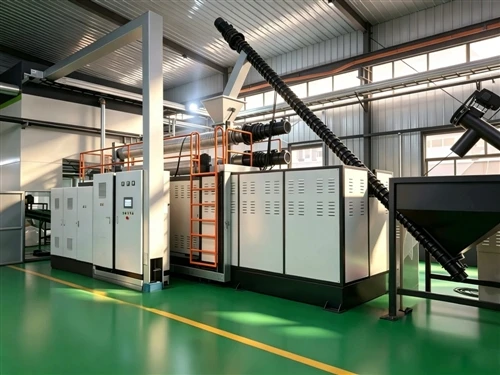
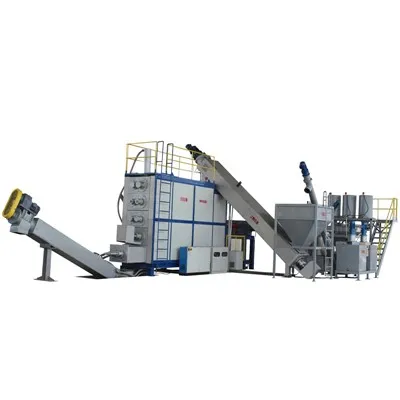
Hey there! If you've ever wandered through a tire recycling yard, a rubber product manufacturing plant, or even a construction site, you've probably passed a machine that looks like a mix of a big blender and a metal press-churning up old, hardened rubber like it's no big deal. That's a devulcanizer, and trust me, it's the unsung hero keeping rubber waste from piling up in landfills and turning "trash" into something new we can actually use. As someone who's been supplying devulcanizers and related rubber recycling gear for years, I get asked all the time: "Wait, which industries actually use these things? I thought they were just for old tires!" Spoiler alert-you're way underestimating how versatile this tech is. Let's break it down like we're hanging out, no stuffy jargon, just real talk about who's relying on devulcanizers to keep their operations moving and waste down.
First up, let's clear up what devulcanization even is, because I swear half the confusion comes from people mixing up terms like vulcanization and devulcanization. Back in the day, rubber (like the stuff in your car tires) is treated with sulfur, heat, and pressure to turn soft, stretchy goo into tough, durable rubber that doesn't tear or melt in the sun. That's vulcanization-cool for tires, terrible when you want to recycle it. Once it's vulcanized, those sulfur cross-links lock the rubber molecules together forever, so it's basically indestructible. Devulcanizers melt those cross-links apart without ruining the rubber's actual structure, turning that hard, useless vulcanized rubber into a pliable, reprocessable material. It's not perfect, but it's the closest we've got to "unwearing" old rubber.
Now, onto the industries-let's start with the big one I bet you saw coming: the tire and rubber recycling industry. This is where devulcanizers got their start, and honestly, it's still the backbone of who uses 'em. Every year, millions of end-of-life tires get thrown away-like, 1 billion worldwide, according to recent stats. Tires are 100% vulcanized, so you can't just melt them down and re-shape 'em like plastic. You've got to break that sulfur bond, and that's exactly what a devulcanizer does. Wait, but hold on-you can't just feed a whole tire into a devulcanizer, right? That's why most recycling ops use a whole line of gear before it: stuff like the Single Shaft Tire Crushing Machine to slice tires into manageable chunks, or the Waste Tire Strip Cutting Machine to cut them into uniform strips, then maybe a Rubber Cracker Mill to grind those chunks into small rubber granules. And once you've got those granules, that's when you bring in a devulcanizer to turn 'em into something usable. I've worked with small local tire recyclers that start with a beat-up old single shaft crusher and end with our Butyl Devulcanizer (yep, that's the link I promised) to process those tough butyl rubber sidewalls that used to be totally unmanageable. Those sidewalls used to just get dumped because you couldn't grind 'em fine enough without ruining the rubber quality, but modern devulcanizers? They handle butyl like it's butter. The best part here? Recycled devulcanized rubber from tires doesn't just go back into tires-wait, we'll get to that.
Next up, automotive parts manufacturing. You'd think cars use new rubber, but no way-auto OEMs and their suppliers are obsessed with cutting costs and hitting sustainability targets these days, and devulcanized rubber is their secret weapon. Think about all the rubber parts in a car: floor mats, weather stripping, sealants, even some of the lower trim pieces. Most of these are made from vulcanized rubber (natural or synthetic) that's either old scrap from the factory floor (like offcuts from molding new parts) or post-consumer rubber that's been recycled. Wait, factory scrap is a big one too-before these parts get shipped out, there's always trimmings, rejects, even whole parts that failed quality checks. You can't just toss that, so you grind it up, devulcanize it, and melt it back into new parts. I've had clients at big auto plants tell me they now use 30% devulcanized rubber in their floor mats without anyone noticing-they look and feel just like the new stuff, and it cuts their raw material costs by almost a quarter. The tricky part here is consistency-auto parts have to meet strict specs, so that's why a lot of them pair devulcanizers with High Speed Mixing Equipment (there's another link for you) to make sure the devulcanized rubber mixes evenly with new rubber and additives. No lumps, no spots, just uniform parts that pass crash tests and heat resistance checks. Trust me, when you're making a part that seals your car's doors against rain, the last thing you want is uneven rubber from bad mixing.
Third industry: construction and infrastructure. This one might surprise you, but devulcanized rubber is everywhere in roads, sidewalks, and even playgrounds. Let's start with roads-you know those rubberized asphalt roads that are quieter than regular ones? A lot of that uses devulcanized tire rubber. Regular asphalt is hard and cracks easily, especially in cold weather. Mixing in devulcanized rubber makes it more flexible, so it doesn't crack as fast, and it absorbs road noise too. Cities like Houston and Phoenix have been using this for years, and their road maintenance costs are way down. Playground surfaces too-those soft, rubber mulch things that don't hurt as bad when a kid falls? They're made almost entirely from devulcanized tire rubber. But wait, why not just use ground-up tire crumb? Because ground crumb is still rigid and doesn't bind well. Devulcanized rubber is malleable, so when you mix it with binders to make mulch or pour-in-place surfaces, it sticks together better and lasts longer. I had a client in Florida who installed a whole soccer field surface with devulcanized rubber a few years back, and they've had zero replacements in that time, whereas the old wood mulch would need to be replaced every two years. The construction industry's big on durability and cost savings, so devulcanizers are starting to show up at local concrete and asphalt plants, too-they grind up old rubber and process it on-site, so they don't have to ship it off to a recycler.
Fourth, footwear and consumer goods. This is the most fun one, I think-who knew old tires could turn into sneakers? Big brands like Adidas and Nike have been using recycled rubber in their shoe soles for years, but not just regular ground rubber. They use devulcanized rubber because it's the only way to get the right balance of bounce and durability for a sole. Think about it: a sneaker sole has to be soft enough to cushion your feet, but tough enough to last through months of walking, running, and gym sessions. Devulcanized rubber from old tire treads is perfect because it's already been tested for abrasion resistance, and once you devulcanize it, you can re-process it into exactly the density you need. Even stuff like yoga mats, phone cases, and garden hoses are getting in on this. I once talked to a guy who makes custom dog collars out of devulcanized tire rubber-they're waterproof, don't get chewed through, and customers love that they're made from "trash." The consumer goods market is huge for this because people care more and more about buying things that don't hurt the planet, and devulcanized rubber lets brands market their products as "100% recycled" without sacrificing quality.
Wait, let's not leave out another key player: the synthetic rubber manufacturing industry itself. A lot of big chemical companies make synthetic rubber (like neoprene or EPDM) for all sorts of products, and they're using devulcanizers to reuse their own factory scrap. When you make synthetic rubber, there's always offcuts, rejects, and excess material that can't just be dumped because it's vulcanized. Before devulcanizers, they were paying to have it burned or hauled to landfills, which was both expensive and bad for the environment. Now, they bring that scrap in, devulcanize it, and mix it back into new synthetic rubber. I've had a client that makes EPDM for roofing membranes-they now recycle 95% of their own scrap this way, and it's cut their waste disposal costs by $200k a year. That's a win-win: they're reducing their carbon footprint and saving big money. Plus, the devulcanized synthetic rubber works just as well as new for roofing membranes, which need to be waterproof and UV-resistant for decades.
Now, let's get real-this isn't all smooth sailing. Devulcanizers aren't cheap, right? And there's a learning curve for getting the right temperature and pressure so you don't ruin the rubber's properties. If you overheat it, you turn it into a sticky mess that's useless. If you don't heat it enough, you can't break the sulfur cross-links, so you're stuck with hard rubber that won't mix or mold. That's why working with a supplier who knows their stuff is key-someone who can help you figure out exactly what size devulcanizer you need, and how to pair it with other gear (like those Single Shaft Tire Crushing Machines or High Speed Mixing Equipment I mentioned earlier) to make your operation run smoothly. A lot of new recyclers skip doing their homework and end up buying a cheap devulcanizer that doesn't work half as well, so they waste time and money. Don't be that guy-talk to someone who's been in the game long enough to know the difference.
Another thing: sustainability. Everyone's talking about net zero these days, and devulcanizers are a big part of that for rubber. Before this tech, most vulcanized rubber waste was either burned (which releases toxic fumes) or dumped in landfills, where it takes hundreds of years to decompose-if it ever does. Now, we're turning that waste into a valuable raw material instead of wasting energy mining new rubber (natural rubber comes from trees, synthetic from oil, both with big carbon footprints). I've seen a ton of small businesses start their own rubber recycling operations just by buying a devulcanizer and a couple of basic shredders-they collect old tires from local garages, process them, and sell the devulcanized granules to auto parts or shoe companies. It's a small business that makes a big impact, and that's the coolest part to watch.
Wait, let's circle back to the question that started this: which industries use devulcanizers? We've got tire and rubber recycling, automotive parts manufacturing, construction, footwear and consumer goods, and synthetic rubber production. But here's the thing-this list is growing every year. I just got a call from a guy who makes horse stalls and uses devulcanized rubber for the flooring because it's non-slip and easy to clean. Another client uses it to make vibration-dampening pads for industrial machinery, which cuts down on noise in factories. The applications are endless, as long as you can get the right quality from the devulcanized rubber.
If you're in one of these industries, or even if you're just curious about getting into rubber recycling, the first step is to figure out what kind of rubber you're working with, and what you want to turn it into. Like, if you're dealing with old tires, you'll start with shredding and grinding, then use a devulcanizer designed for tire rubber. If you're working with factory scrap from butyl rubber (like the sidewalls I mentioned earlier), you'll need a specialized devulcanizer, like that Butyl Devulcanizer link I told you about. And don't forget-devulcanizers don't work alone. You need prep equipment to get the rubber ready (shredders, cutters, grinders) and mixing equipment to make the final product consistent. That's why having a full setup, not just a single machine, makes all the difference.

If you're ready to stop tossing rubber waste and start turning it into profit or better products, I'm here to help. We've been supplying devulcanizers and all the related gear you need-from Single Shaft Tire Crushing Machines to High Speed Mixing Equipment-for years, and we know exactly how to tailor a setup to your specific needs. No pushy sales talk, just honest advice about what works for small operations and big plants alike. Shoot us a message to chat about your project, and we'll walk you through every step.
References:
- Rubber Recycling Market Report 2024, Global Market Insights Inc.
- Devulcanization Technology for Rubber Waste: A Review, Journal of Cleaner Production, 2023.
- Tire Waste Management and Recycling Practices in the United States, Environmental Protection Agency, 2022.
- Sustainable Rubber Applications in Automotive and Construction, Industrial Rubber Products Association, 2024.