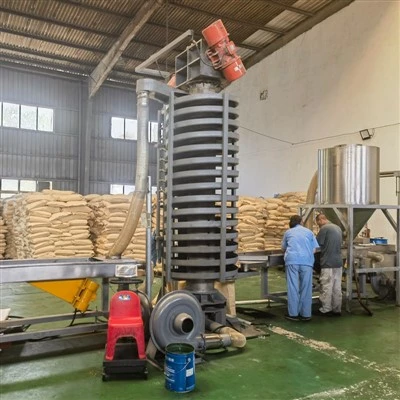
In the dynamic realm of rubber production, the pursuit of innovative and sustainable solutions has become a driving force. One such innovation that has garnered significant attention is the EPDM devulcanizer. As a leading supplier of EPDM devulcanizers, I am often asked whether this powerful tool can be effectively used in the production of rubber sheets. In this blog post, we will delve into the science behind EPDM devulcanization, explore its potential applications in rubber sheet production, and discuss the benefits it offers to manufacturers.
Understanding EPDM Devulcanization
Before we explore the use of EPDM devulcanizers in rubber sheet production, it's essential to understand what devulcanization is and how it works. Vulcanization is a chemical process that transforms raw rubber into a more durable and elastic material by creating cross - links between polymer chains. However, once rubber has been vulcanized, it becomes difficult to recycle or reprocess.
Devulcanization, on the other hand, is the reverse process of vulcanization. It aims to break the cross - links in the vulcanized rubber while preserving the main polymer chains. This allows the rubber to regain its plasticity and be reused in new rubber products. EPDM (Ethylene Propylene Diene Monomer) is a type of synthetic rubber known for its excellent weather resistance, heat resistance, and electrical insulation properties. An EPDM devulcanizer is specifically designed to target the cross - links in EPDM rubber, making it possible to recycle EPDM waste and incorporate it into new production processes.
The Potential of EPDM Devulcanizer in Rubber Sheet Production
Rubber sheets are widely used in various industries, including automotive, construction, and manufacturing. They are used for gaskets, seals, flooring, and many other applications. Traditionally, rubber sheets are produced using virgin rubber, which can be expensive and environmentally unfriendly. The use of an EPDM devulcanizer in rubber sheet production offers several advantages:
Cost - Effectiveness
Recycling EPDM rubber using a devulcanizer can significantly reduce the cost of raw materials. Instead of purchasing expensive virgin rubber, manufacturers can use recycled EPDM rubber, which is often available at a lower cost. This cost savings can be passed on to the customers or reinvested in other areas of the business.
Environmental Sustainability
The rubber industry is one of the major contributors to environmental pollution. By using an EPDM devulcanizer to recycle rubber waste, manufacturers can reduce the amount of rubber waste sent to landfills. This not only helps to conserve natural resources but also reduces the environmental impact of rubber production.
Customization and Quality
The recycled EPDM rubber obtained through devulcanization can be blended with virgin rubber or other additives to achieve specific properties. This allows manufacturers to customize the rubber sheets according to the requirements of different applications. For example, they can adjust the hardness, elasticity, and chemical resistance of the rubber sheets.
The Production Process with EPDM Devulcanizer
Integrating an EPDM devulcanizer into the rubber sheet production process involves several steps:
Rubber Waste Collection and Preparation
The first step is to collect EPDM rubber waste from various sources, such as old tires, industrial rubber products, and manufacturing scraps. The rubber waste is then cleaned and shredded into small pieces to increase the surface area for devulcanization. This is where a Rubber Pulverizer Machine can be very useful. It can efficiently grind the rubber waste into fine particles, which are more suitable for the devulcanization process.
Devulcanization
The shredded rubber waste is then fed into the EPDM devulcanizer. Inside the devulcanizer, a combination of heat, pressure, and chemical agents is used to break the cross - links in the vulcanized rubber. The devulcanization process is carefully controlled to ensure that the main polymer chains are not significantly damaged.
Mixing
After devulcanization, the recycled EPDM rubber is often mixed with virgin rubber, fillers, and other additives to improve its properties. A High Speed Mixing Equipment can be used to ensure a homogeneous mixture. This step is crucial as it determines the final quality and performance of the rubber sheets.
Sheet Forming
The mixed rubber compound is then formed into sheets using various methods, such as calendering or extrusion. The sheets are then vulcanized again to give them the desired strength and durability.
Comparing with Other Devulcanizers
While there are other types of devulcanizers available in the market, such as Butyl Devulcanizer, the EPDM devulcanizer has its unique advantages when it comes to rubber sheet production. Butyl rubber has different chemical properties compared to EPDM rubber, and a butyl devulcanizer is optimized for butyl rubber. In contrast, an EPDM devulcanizer is specifically tailored to the structure of EPDM rubber, which means it can achieve better devulcanization results for EPDM - based rubber sheets.


Overcoming Challenges
Despite the many benefits of using an EPDM devulcanizer in rubber sheet production, there are also some challenges that manufacturers may face. One of the main challenges is the quality control of the recycled rubber. The properties of the recycled EPDM rubber can vary depending on the source of the rubber waste and the devulcanization process. Manufacturers need to implement strict quality control measures to ensure that the recycled rubber meets the required standards.
Another challenge is the compatibility of the recycled rubber with other materials. When blending the recycled EPDM rubber with virgin rubber or additives, it's important to ensure that they are compatible to avoid any negative effects on the properties of the rubber sheets.
Conclusion
In conclusion, an EPDM devulcanizer can indeed be used in the production of rubber sheets. It offers a cost - effective, environmentally sustainable, and customizable solution for rubber sheet manufacturers. By recycling EPDM rubber waste, manufacturers can reduce their raw material costs, minimize their environmental impact, and produce high - quality rubber sheets that meet the diverse needs of different industries.
If you are a rubber sheet manufacturer looking to enhance your production process, reduce costs, and contribute to environmental sustainability, consider using our EPDM devulcanizers. Our team of experts is ready to provide you with the best solutions and support. Contact us today to start a procurement negotiation and take your rubber sheet production to the next level.
References
- "Rubber Recycling: Principles and Applications" by A. K. Bhowmick and H. L. Stephens.
- "Handbook of Elastomers" edited by A. K. Bhowmick and H. L. Stephens.
- Journal articles on rubber devulcanization and recycling from Rubber Chemistry and Technology.