When it comes to rubber recycling, the choice of devulcanization method plays a crucial role in determining the quality and efficiency of the recycled rubber products. As a supplier of Butyl Devulcanizer, I am often asked how this method compares with mechanical devulcanization methods. In this blog post, I will delve into the details of both approaches, highlighting their advantages and limitations to provide a comprehensive understanding for those in the rubber recycling industry.
Understanding Devulcanization
Devulcanization is the process of breaking the cross - links in vulcanized rubber while maintaining the integrity of the polymer chains. This allows the rubber to be re - processed and reused, reducing waste and conserving resources. There are two main types of devulcanization methods: chemical devulcanization, of which Butyl Devulcanizer is a prime example, and mechanical devulcanization.
Butyl Devulcanizer: A Chemical Approach
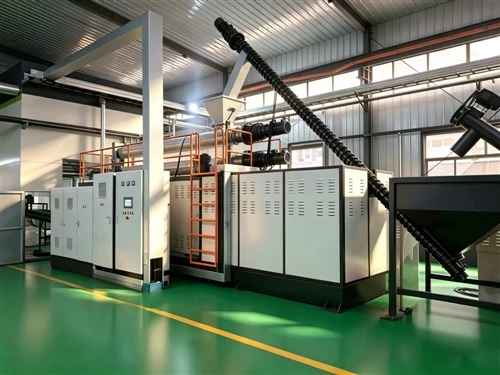
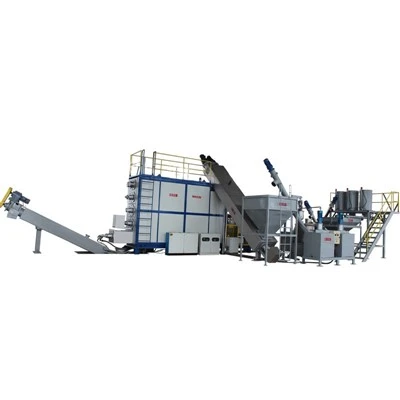
Butyl Devulcanizer uses chemical agents to break the sulfur cross - links in butyl rubber. These chemical agents are specifically formulated to target the sulfur bonds, which are responsible for the rubber's elastic properties. The process typically involves mixing the vulcanized rubber with the devulcanizing agent under controlled temperature and pressure conditions.
One of the key advantages of using a Butyl Devulcanizer is its ability to selectively break the sulfur cross - links without significantly degrading the polymer chains. This results in recycled rubber with properties that are very similar to those of virgin rubber. The recycled rubber can be easily re - vulcanized and used in a wide range of applications, such as tire manufacturing, sealing products, and industrial rubber components.
Another benefit is the relatively low energy consumption compared to mechanical devulcanization methods. Chemical devulcanization can be carried out at lower temperatures, which reduces the overall energy requirements of the process. This not only saves costs but also has a positive environmental impact.
However, there are also some limitations to using a Butyl Devulcanizer. The chemical agents used in the process can be expensive, and proper handling and disposal are required to ensure environmental safety. Additionally, the process may require longer reaction times, which can limit the production capacity in some cases.
Mechanical Devulcanization Methods
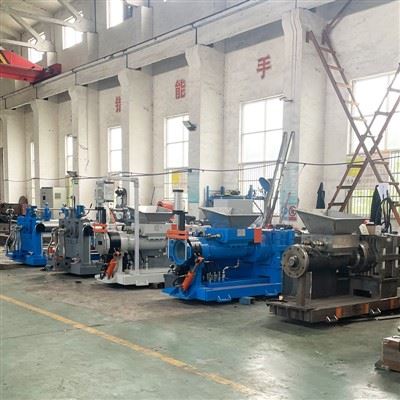
Mechanical devulcanization methods rely on physical forces, such as shear and compression, to break the cross - links in the vulcanized rubber. These methods typically involve the use of equipment such as Bead Grinder Machine, High Speed Mixing Equipment, and Rubber Block Cutting Machine.
One of the main advantages of mechanical devulcanization is its high production capacity. The process can be easily scaled up, making it suitable for large - scale rubber recycling operations. Mechanical methods are also relatively simple and do not require the use of expensive chemical agents.


However, mechanical devulcanization also has its drawbacks. The physical forces applied during the process can cause significant degradation of the polymer chains, resulting in recycled rubber with inferior properties compared to virgin rubber. The recycled rubber may have lower strength, elasticity, and durability, which limits its use in high - performance applications. Additionally, mechanical devulcanization methods often require high energy consumption, as they need to generate strong shear and compression forces.
Comparison of Butyl Devulcanizer and Mechanical Devulcanization
Quality of Recycled Rubber
The quality of the recycled rubber is a critical factor in determining its suitability for different applications. As mentioned earlier, Butyl Devulcanizer can produce recycled rubber with properties that are very similar to those of virgin rubber. This is because the chemical process selectively breaks the sulfur cross - links without significantly damaging the polymer chains. In contrast, mechanical devulcanization methods may cause more chain scission, leading to recycled rubber with lower quality.
Energy Consumption
Energy consumption is an important consideration for any industrial process. Butyl Devulcanizer generally has lower energy requirements compared to mechanical devulcanization methods. The chemical process can be carried out at lower temperatures, reducing the energy needed for heating. Mechanical devulcanization, on the other hand, often requires high - power equipment to generate the necessary physical forces, resulting in higher energy consumption.
Production Capacity
Mechanical devulcanization methods have an edge when it comes to production capacity. These methods can be easily automated and scaled up to handle large volumes of vulcanized rubber. Chemical devulcanization using a Butyl Devulcanizer may have limitations in terms of production speed due to the longer reaction times involved.
Cost
The cost of devulcanization includes both the capital cost of the equipment and the operating cost. The capital cost of a Butyl Devulcanizer may be relatively high, as it requires specialized equipment for handling the chemical agents. However, the operating cost can be lower due to the reduced energy consumption. Mechanical devulcanization equipment may have a lower capital cost, but the high energy consumption can result in higher operating costs in the long run.
Conclusion
In conclusion, both Butyl Devulcanizer and mechanical devulcanization methods have their own advantages and limitations. The choice between the two depends on various factors, such as the quality requirements of the recycled rubber, production capacity, energy consumption, and cost.
If high - quality recycled rubber is required for applications such as tire manufacturing or high - performance sealing products, Butyl Devulcanizer may be the better choice. On the other hand, if large - scale production and low capital cost are the main priorities, mechanical devulcanization methods may be more suitable.
As a supplier of Butyl Devulcanizer, I am committed to providing high - quality products and solutions to meet the diverse needs of the rubber recycling industry. If you are interested in learning more about our Butyl Devulcanizer or have any questions regarding rubber devulcanization, please feel free to contact us for further discussion and potential procurement.
References
- "Rubber Recycling: Principles and Applications" by X. Fang and R. M. Rowell.
- "Devulcanization of Rubber: A Review" by S. K. De and B. K. Bhowmick.
- "Chemical and Mechanical Devulcanization of Vulcanized Rubbers" by A. K. Bhowmick and M. K. Gupta.