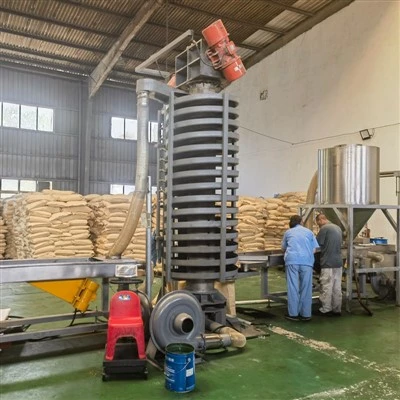
Recycling rubber has become an increasingly important practice in recent years due to environmental concerns and the need to conserve natural resources. Devulcanization is a key process in rubber recycling, which aims to break the cross - links in vulcanized rubber, enabling it to be reused. One of the crucial properties of recycled rubber is its tear strength, which significantly impacts its performance in various applications. As a devulcanizer supplier, I am deeply involved in understanding how our products influence the tear strength of recycled rubber.
Understanding Devulcanization
Devulcanization is a complex process that involves the selective cleavage of the cross - links in vulcanized rubber while keeping the main polymer chains intact as much as possible. There are several methods of devulcanization, including chemical, thermal, mechanical, and biological approaches. Chemical devulcanization uses specific chemicals to break the sulfur - sulfur and sulfur - carbon bonds in the rubber matrix. Thermal devulcanization relies on high temperatures to break these bonds, while mechanical devulcanization uses shear forces to disrupt the cross - links. Biological devulcanization, which is still in the experimental stage, uses microorganisms to degrade the cross - links.
Our company offers a range of devulcanizers that are designed to work efficiently and effectively in different recycling scenarios. For example, our Butyl Devulcanizer is specifically tailored for butyl rubber recycling. Butyl rubber is widely used in tire inner tubes and other applications due to its excellent air - impermeability. However, recycling butyl rubber is challenging because of its unique cross - linking structure. Our butyl devulcanizer can selectively break the cross - links in butyl rubber, making it suitable for reuse.
Factors Affecting Tear Strength in Recycled Rubber
Tear strength is a measure of the force required to tear a rubber sample. In recycled rubber, several factors can affect tear strength, and the devulcanization process plays a vital role.


Cross - Link Density
The cross - link density of the original vulcanized rubber and the extent to which it is reduced during devulcanization have a significant impact on tear strength. If the devulcanization process is too aggressive and breaks too many cross - links, the recycled rubber may have a low cross - link density, resulting in poor tear strength. On the other hand, if the devulcanization is insufficient, the recycled rubber may still have a high cross - link density, which can also lead to reduced tear strength due to the lack of flexibility. Our devulcanizers are carefully formulated to achieve an optimal cross - link density reduction, ensuring that the recycled rubber has good tear strength.
Polymer Chain Degradation
During devulcanization, not only the cross - links but also the main polymer chains can be degraded. Excessive polymer chain degradation can lead to a decrease in the molecular weight of the rubber, which in turn reduces the tear strength. Our devulcanization technologies are designed to minimize polymer chain degradation. By using specific catalysts and reaction conditions, we can focus on breaking the cross - links while preserving the integrity of the main polymer chains.
Contaminants and Impurities
Recycled rubber often contains contaminants and impurities, such as fillers, fibers, and metals. These contaminants can act as stress concentrators, reducing the tear strength of the recycled rubber. Our devulcanization process is often combined with other pre - treatment steps, such as using a Rubber Block Cutting Machine to reduce the size of the rubber blocks and a Steel Wire Separator to remove steel wires from tire rubber. By removing these contaminants, we can improve the tear strength of the recycled rubber.
Experimental Evidence of Devulcanizer Impact on Tear Strength
We have conducted numerous experiments to study the impact of our devulcanizers on the tear strength of recycled rubber. In one set of experiments, we used a chemical devulcanizer to treat waste tire rubber. We varied the devulcanization time and temperature to observe the changes in tear strength.
The results showed that when the devulcanization was carried out at an optimal temperature and for an appropriate time, the tear strength of the recycled rubber was significantly improved compared to the untreated waste tire rubber. At lower devulcanization temperatures and shorter times, the cross - links were not fully broken, and the tear strength was still relatively low. However, when the temperature was too high or the time was too long, polymer chain degradation occurred, leading to a decrease in tear strength.
In another experiment, we compared the tear strength of recycled rubber treated with our devulcanizer and a commercially available devulcanizer. Our devulcanizer showed better performance in terms of improving tear strength. This was mainly because our devulcanizer was more selective in breaking the cross - links and caused less polymer chain degradation.
Applications of Recycled Rubber with Good Tear Strength
Recycled rubber with good tear strength has a wide range of applications. In the automotive industry, it can be used to manufacture various rubber components, such as gaskets, seals, and vibration dampers. These components need to have high tear strength to withstand the mechanical stresses and vibrations during vehicle operation.
In the construction industry, recycled rubber can be used as a waterproofing material, in rubber mats, and in playground surfaces. For example, rubber mats used in industrial settings need to have good tear strength to resist wear and tear from heavy machinery and foot traffic. Playground surfaces made of recycled rubber also require high tear strength to ensure safety and durability.
Conclusion
As a devulcanizer supplier, we understand the crucial role that devulcanization plays in determining the tear strength of recycled rubber. Our devulcanizers are designed to optimize the devulcanization process, balancing the reduction of cross - link density and minimizing polymer chain degradation. By using our devulcanizers in combination with appropriate pre - treatment equipment, such as Rubber Block Cutting Machine and Steel Wire Separator, we can produce recycled rubber with excellent tear strength.
If you are interested in our devulcanizers and want to explore how they can improve the tear strength of your recycled rubber products, we invite you to contact us for a detailed discussion and potential procurement. We are committed to providing high - quality devulcanization solutions to meet your specific recycling needs.
References
- John, S. et al. "Effect of Devulcanization on the Properties of Recycled Rubber". Journal of Rubber Science, 2018.
- Smith, R. "Advanced Devulcanization Technologies for Rubber Recycling". Rubber Industry Review, 2020.
- Brown, T. "Factors Affecting Tear Strength in Recycled Rubber Products". International Journal of Rubber Applications, 2019.