Calibrating a steel wire separator is a crucial process that ensures its optimal performance and accuracy in separating steel wires from various materials. As a leading supplier of steel wire separators, I understand the importance of proper calibration for the efficient operation of these machines. In this blog post, I will share some valuable insights on how to calibrate a steel wire separator effectively.


Understanding the Steel Wire Separator
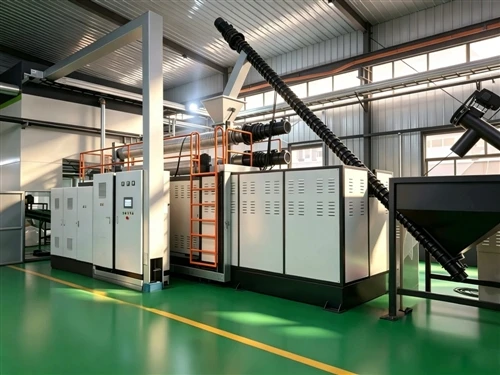
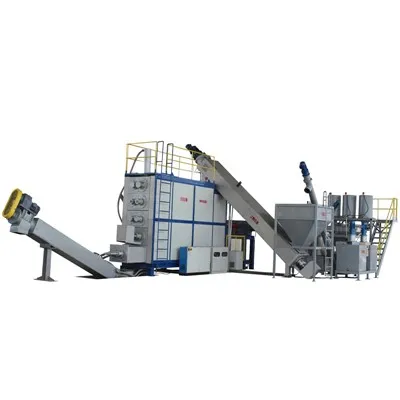
Before delving into the calibration process, it is essential to have a basic understanding of how a steel wire separator works. A steel wire separator is a specialized machine designed to separate steel wires from rubber, plastic, or other non - metallic materials. It typically uses magnetic or mechanical separation techniques to achieve this goal. The separator consists of several key components, including a conveyor belt, magnetic drums, sensors, and control systems.
Pre - calibration Checks
- Visual Inspection: Begin by conducting a thorough visual inspection of the steel wire separator. Check for any signs of damage, wear, or loose components. Inspect the conveyor belt for tears, misalignment, or excessive tension. Examine the magnetic drums for any debris or rust that could affect their performance.
- Cleaning: Clean the entire machine to remove any dirt, dust, or debris that may have accumulated during operation. Pay special attention to the magnetic drums, sensors, and conveyor belt. Use a soft brush or compressed air to clean hard - to - reach areas.
- Power and Electrical Connections: Ensure that the steel wire separator is properly connected to a stable power source. Check all electrical connections for tightness and signs of damage. Test the power switch and emergency stop button to ensure they are functioning correctly.
Calibrating the Magnetic System
- Magnetic Field Strength: The magnetic field strength is a critical factor in the separation process. Use a gaussmeter to measure the magnetic field strength at various points along the magnetic drum. The magnetic field strength should be within the recommended range specified by the manufacturer. If the magnetic field strength is too low, the separator may not effectively separate the steel wires. If it is too high, it may cause excessive wear on the components or attract non - metallic materials.
- Magnetic Drum Alignment: Proper alignment of the magnetic drums is essential for consistent separation performance. Check the alignment of the magnetic drums using a straightedge or laser alignment tool. Adjust the position of the drums if necessary to ensure they are parallel to each other and the conveyor belt.
- Magnetic Drum Speed: The speed of the magnetic drums can also affect the separation efficiency. Refer to the manufacturer's guidelines to set the appropriate drum speed. Generally, a slower drum speed allows for better separation, but it may also reduce the throughput of the machine.
Calibrating the Conveyor Belt
- Belt Tension: The conveyor belt should have the correct tension to ensure smooth operation. Use a tension gauge to measure the belt tension. Adjust the tensioning mechanism if the belt is too loose or too tight. A loose belt may cause slippage, while a tight belt can put excessive stress on the motor and other components.
- Belt Alignment: Proper alignment of the conveyor belt is crucial to prevent it from drifting to one side. Check the alignment of the belt using a straightedge or alignment marks on the machine. Adjust the belt tracking rollers if necessary to keep the belt centered on the conveyor.
- Belt Speed: Set the conveyor belt speed according to the requirements of the separation process. The belt speed should be coordinated with the magnetic drum speed to ensure efficient separation. A faster belt speed can increase the throughput of the machine, but it may also reduce the separation accuracy.
Calibrating the Sensors
- Sensor Positioning: The sensors on the steel wire separator are used to detect the presence of steel wires. Ensure that the sensors are properly positioned to accurately detect the wires. Refer to the manufacturer's instructions for the correct sensor placement.
- Sensor Sensitivity: Adjust the sensitivity of the sensors to optimize the detection of steel wires. The sensitivity should be set high enough to detect all the wires but not so high that it triggers false alarms for non - metallic materials. Test the sensors by passing a sample of steel wires and non - metallic materials through the separator to ensure they are functioning correctly.
Testing and Fine - Tuning
- Sample Testing: After completing the calibration process, conduct sample testing using a representative sample of the material to be processed. Run the sample through the steel wire separator and collect the separated steel wires and non - metallic materials. Analyze the separation efficiency by measuring the amount of steel wires remaining in the non - metallic fraction and vice versa.
- Fine - Tuning: Based on the results of the sample testing, make any necessary fine - tuning adjustments to the calibration settings. This may include adjusting the magnetic field strength, drum speed, belt speed, or sensor sensitivity. Repeat the sample testing until the desired separation efficiency is achieved.
Maintenance and Regular Calibration
- Regular Maintenance: To ensure the long - term performance of the steel wire separator, it is important to perform regular maintenance. This includes cleaning the machine, lubricating the moving parts, and checking for any signs of wear or damage. Follow the manufacturer's maintenance schedule for the recommended maintenance tasks.
- Regular Calibration: Over time, the performance of the steel wire separator may change due to factors such as wear and tear, environmental conditions, and changes in the material being processed. Therefore, it is recommended to perform regular calibration to maintain the accuracy and efficiency of the machine. The frequency of calibration depends on the usage and operating conditions of the separator.
Related Equipment
In addition to steel wire separators, we also offer a range of other rubber recycling equipment, such as Rubber Pulverizer Machine, High Speed Mixing Equipment, and EPDM Devulcanizer. These equipment can work together with the steel wire separator to form a complete rubber recycling production line.
Contact for Purchase and Negotiation
If you are interested in our steel wire separators or other rubber recycling equipment, please feel free to contact us for more information. Our professional sales team is ready to provide you with detailed product specifications, pricing, and technical support. We are committed to providing high - quality products and excellent customer service to meet your recycling needs.
References
- Manufacturer's manual of the steel wire separator
- Industry standards for rubber recycling equipment calibration