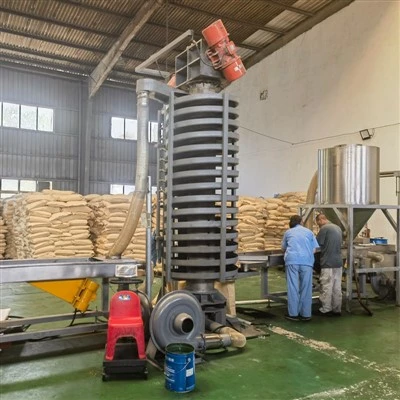
Hey there! As a supplier of Rubber Mixing Mill Machines, I've seen firsthand how crucial it is to evaluate the performance of these machines accurately. Whether you're a small business owner looking to upgrade your equipment or a large manufacturer in need of high - performance machinery, understanding how to assess a rubber mixing mill machine can save you time, money, and headaches. In this blog, I'll share some key factors you should consider when evaluating the performance of a rubber mixing mill machine.
1. Mixing Quality
The primary function of a rubber mixing mill machine is to mix rubber compounds evenly. Good mixing quality is essential for producing high - quality rubber products. To evaluate the mixing quality, you can look at several aspects.
First, check the dispersion of additives in the rubber compound. Additives like carbon black, sulfur, and accelerators need to be evenly distributed throughout the rubber matrix. You can take samples from different parts of the mixed rubber and analyze them under a microscope or use chemical analysis methods. If the additives are clumped together or unevenly distributed, it indicates poor mixing quality.
Second, consider the homogeneity of the rubber compound's physical properties. This includes properties such as hardness, tensile strength, and elongation at break. You can test samples from different batches of the mixed rubber to ensure that these properties are consistent. A well - performing rubber mixing mill machine should produce rubber compounds with consistent physical properties across batches.
2. Throughput
Throughput refers to the amount of rubber compound that a machine can process in a given period. It's an important factor, especially for large - scale manufacturers. A high - throughput machine can increase production efficiency and reduce costs.
To evaluate the throughput of a rubber mixing mill machine, you need to know its rated capacity and the actual production rate. The rated capacity is usually specified by the manufacturer, but the actual production rate may be affected by factors such as the type of rubber compound, the operating speed, and the operator's skill level.
You can measure the throughput by recording the amount of rubber compound processed over a specific time period. Compare the measured throughput with the machine's rated capacity. If the actual throughput is significantly lower than the rated capacity, there may be issues with the machine, such as a clogged feed system or worn - out components.
3. Energy Efficiency
Energy consumption is a major cost factor in operating a rubber mixing mill machine. An energy - efficient machine can help you save money on electricity bills and reduce your environmental impact.


To evaluate the energy efficiency of a machine, you can look at its power consumption per unit of output. You can measure the power consumption of the machine during operation and divide it by the amount of rubber compound processed. A lower power consumption per unit of output indicates higher energy efficiency.
Some modern rubber mixing mill machines are equipped with energy - saving features such as variable frequency drives (VFDs). VFDs can adjust the motor speed according to the actual load, reducing energy consumption. When evaluating a machine, look for these energy - saving features and consider how they can benefit your operation.
4. Durability and Reliability
A rubber mixing mill machine is a significant investment, so you want it to last. Durability and reliability are crucial factors in determining the long - term value of the machine.
To evaluate the durability of a machine, look at the quality of its construction materials. Machines made from high - quality steel and other durable materials are more likely to withstand the wear and tear of continuous operation. Check the thickness of the rollers, the strength of the frame, and the quality of the bearings.
Reliability can be evaluated by looking at the machine's maintenance requirements and its history of breakdowns. Machines with simple and accessible maintenance points are easier to maintain and are less likely to experience long - term downtime. You can also ask the manufacturer or other users about the machine's reliability record. A machine with a low breakdown rate and short repair times is considered more reliable.
5. Safety Features
Safety is always a top priority in any industrial setting. A rubber mixing mill machine should be equipped with adequate safety features to protect the operators.
Some common safety features include emergency stop buttons, safety guards, and overload protection. Emergency stop buttons should be easily accessible and clearly marked. Safety guards should cover all moving parts to prevent operators from coming into contact with them. Overload protection can prevent the machine from being damaged due to excessive load.
When evaluating a machine, make sure to check these safety features and ensure that they are in good working condition. You can also ask the manufacturer about any additional safety features or safety certifications the machine may have.
6. Compatibility with Other Equipment
In a rubber processing plant, a rubber mixing mill machine usually works in conjunction with other equipment such as Horizontal Mixer and Screw Discharge Kneading Machine. The compatibility of the rubber mixing mill machine with other equipment is important for smooth and efficient production.
Consider factors such as the feed and discharge mechanisms of the machine. The machine should be able to receive rubber compounds from other equipment easily and discharge the mixed rubber to the next processing step without any issues. The size and capacity of the machine should also be compatible with the overall production line.
You can discuss the compatibility requirements with the machine manufacturer and ask for their advice on how to integrate the rubber mixing mill machine into your existing production line.
7. Ease of Operation and Maintenance
A machine that is easy to operate and maintain can reduce labor costs and increase productivity. When evaluating a rubber mixing mill machine, consider the user - friendliness of its control system. The control panel should be intuitive and easy to understand, even for operators with limited technical knowledge.
Maintenance is also an important aspect. Look for machines with easily accessible components for cleaning, lubrication, and replacement. The manufacturer should provide clear maintenance instructions and offer readily available spare parts.
Conclusion
Evaluating the performance of a rubber mixing mill machine involves considering multiple factors, including mixing quality, throughput, energy efficiency, durability, reliability, safety features, compatibility with other equipment, and ease of operation and maintenance. By carefully assessing these factors, you can choose a machine that meets your production needs and provides long - term value.
If you're in the market for a Rubber Mixing Mill Machine, I'd be more than happy to help you find the right one. Feel free to reach out to discuss your requirements and we can start a conversation about how our machines can fit into your production process.
References
- "Rubber Processing Technology" by Maurice Morton
- "Handbook of Rubber Technology" by K. George Nakos