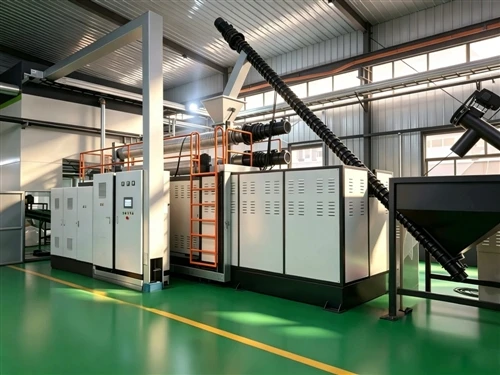
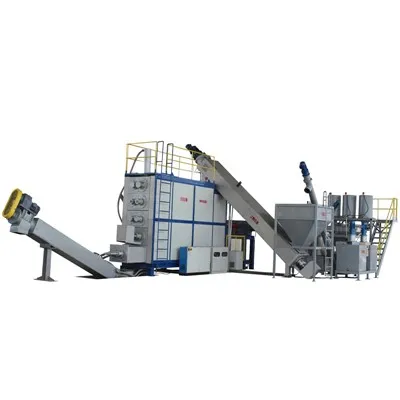
Hey there! As a supplier of Waste Tire Strip Cutting Machines, I've seen firsthand the importance of reducing energy consumption in these machines. Not only does it save costs, but it's also better for the environment. In this blog, I'll share some practical tips on how to cut down the energy use of a waste tire strip cutting machine.
1. Optimize Machine Design
The design of the waste tire strip cutting machine plays a crucial role in its energy efficiency. A well - designed machine can perform the same task with less energy. For example, using high - quality cutting blades can reduce the force required to cut through the tires. Sharper blades mean less resistance, which in turn means the motor doesn't have to work as hard.
When we're manufacturing these machines, we focus on using lightweight yet strong materials for the frame. A lighter machine requires less energy to move and operate. Also, the layout of the internal components matters. We arrange the gears, belts, and motors in a way that minimizes friction. Friction is a major energy waster in any mechanical system. By reducing it, we can significantly lower the energy consumption of the machine.
2. Upgrade to Energy - Efficient Motors
The motor is the heart of the waste tire strip cutting machine. Old - fashioned motors can be real energy hogs. Upgrading to energy - efficient motors is a no - brainer. These motors are designed to convert more electrical energy into mechanical energy, with less wasted as heat.
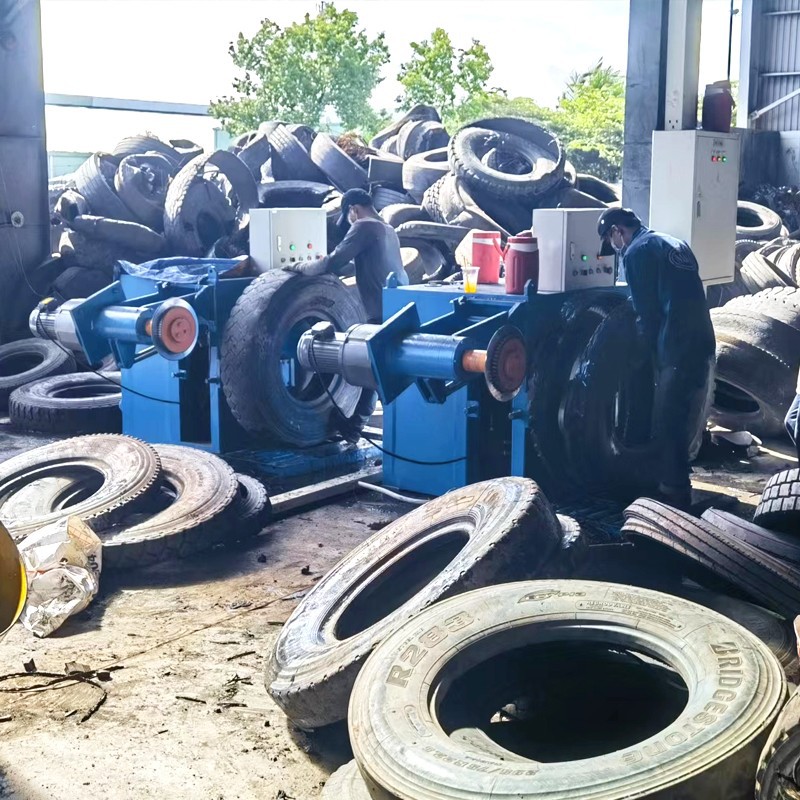

There are different types of energy - efficient motors available. For instance, permanent magnet motors are known for their high efficiency. They have a better power - to - weight ratio compared to traditional motors. When you replace an old motor with a new, energy - efficient one, you'll notice a significant drop in the machine's energy bills. And don't worry about the cost of upgrading. In the long run, the savings on energy will more than make up for the initial investment.
3. Implement Smart Control Systems
Smart control systems are a game - changer when it comes to energy management. These systems can adjust the machine's operation based on the load. For example, if the machine is cutting thinner tire strips, it doesn't need to run at full power. A smart control system can detect the load and automatically reduce the motor speed and power consumption accordingly.
Another feature of smart control systems is the ability to schedule the machine's operation. You can set it to run during off - peak hours when electricity rates are lower. This not only saves energy but also reduces the overall cost of operation. Some smart control systems can even monitor the machine's performance in real - time and alert you if there are any issues that might be causing excessive energy consumption.
4. Regular Maintenance
Regular maintenance is essential for keeping the waste tire strip cutting machine running efficiently. A dirty or poorly maintained machine has to work harder to perform its tasks, which means more energy consumption.
Start by keeping the cutting blades sharp. Dull blades require more force to cut through the tires, which puts extra strain on the motor. You should also clean the machine regularly to remove any debris or dust that might be clogging the moving parts. Check the belts and gears for wear and tear and replace them if necessary. Loose or worn - out belts can slip, causing the motor to work harder to maintain the required speed.
5. Use Complementary Equipment Wisely
When using a waste tire strip cutting machine, it's often part of a larger rubber recycling process. Other equipment like High Speed Mixing Equipment, Bead Grinder Machine, and Tire Crown Slitting Machine are also involved.
Make sure to coordinate the operation of these machines. For example, if the waste tire strip cutting machine is producing strips at a certain rate, the downstream equipment should be able to handle that rate without over - or under - working. This way, you can avoid unnecessary energy consumption in the entire recycling process.
6. Train Your Staff
Your staff plays a vital role in reducing the energy consumption of the waste tire strip cutting machine. They need to be trained on how to operate the machine efficiently. Teach them to start and stop the machine properly. For example, avoid frequent starts and stops, as this can consume more energy.
Also, train them to recognize signs of energy inefficiency. If they notice that the machine is making unusual noises or seems to be working harder than normal, they should report it immediately. By involving your staff in energy - saving efforts, you can create a culture of energy efficiency in your workplace.
7. Analyze and Monitor Energy Usage
Keep a close eye on the machine's energy usage. You can install energy meters to track how much electricity the machine is consuming over a period of time. Analyze the data to identify patterns. For example, you might notice that the machine uses more energy during certain times of the day or when cutting specific types of tires.
Based on this analysis, you can make adjustments to the machine's operation. Maybe you need to change the cutting settings or adjust the production schedule. Continuous monitoring and analysis will help you find new ways to reduce energy consumption over time.
In conclusion, reducing the energy consumption of a waste tire strip cutting machine is not only beneficial for your bottom line but also for the environment. By implementing these tips, you can make your machine more energy - efficient and sustainable. If you're interested in learning more about our waste tire strip cutting machines or have any questions about energy - saving solutions, feel free to reach out. We're always here to help you make the most of your investment and reduce your energy costs.
References
- "Energy - Efficient Motor Systems: A Guide to Saving Energy and Money" by the U.S. Department of Energy.
- "Optimizing Industrial Machine Design for Energy Efficiency" in the Journal of Mechanical Engineering.
- "Smart Control Systems for Industrial Equipment" from the International Journal of Automation.