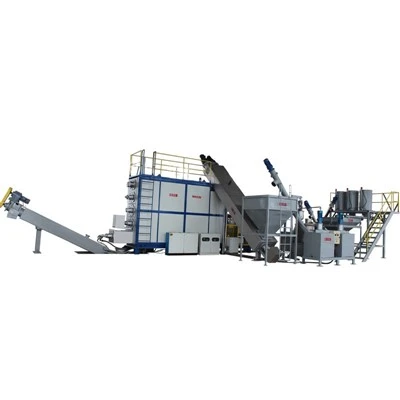
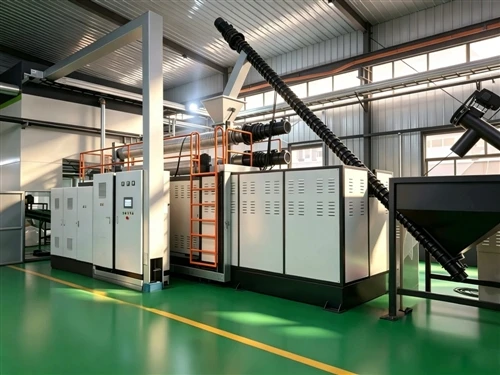
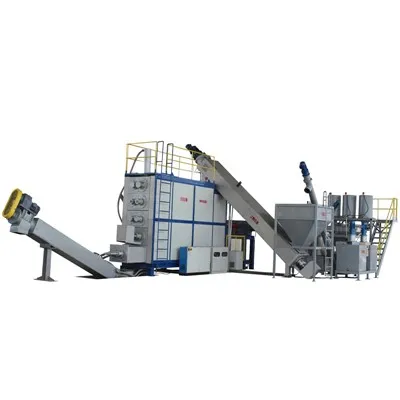
Hey there! As a supplier of Rubber Refining Mills, I often get asked about the lubrication system of these machines. So, I thought I'd take a moment to break it down for you.
First things first, let's talk about why a lubrication system is so important in a Rubber Refining Mill. These mills are heavy - duty machines that operate under high pressure and high - speed conditions. The moving parts, such as gears, bearings, and shafts, experience a lot of friction. Friction is the arch - enemy here because it can lead to excessive wear and tear, overheating, and even mechanical failures. A good lubrication system reduces this friction, which in turn extends the machine's lifespan, improves its efficiency, and ensures a smooth operation.
Now, let's dig into the components of a typical lubrication system in a Rubber Refining Mill.
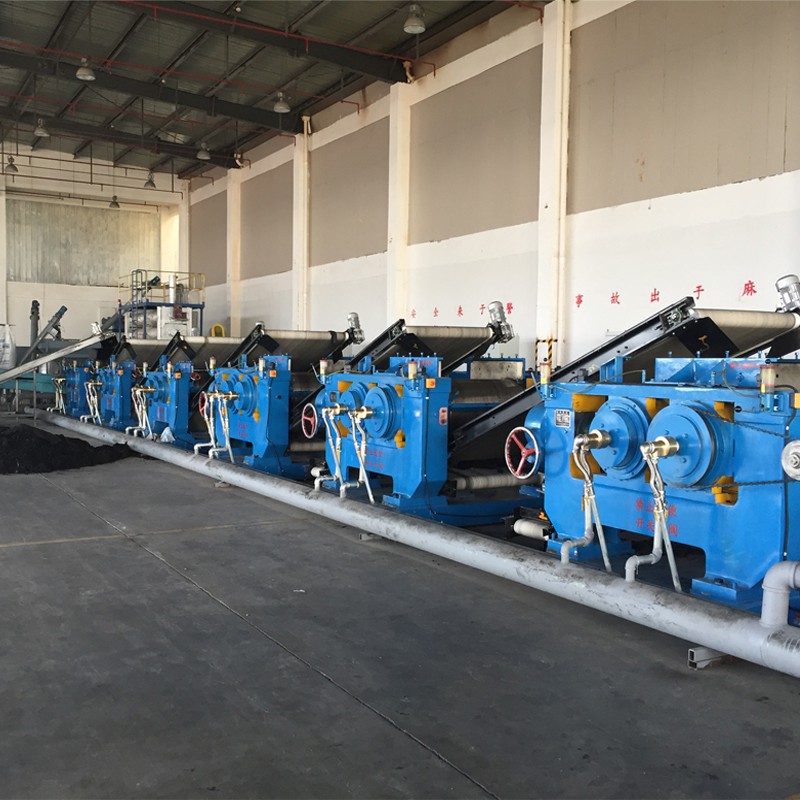

1. Lubricant Reservoir
This is like the heart of the lubrication system. It's a tank that stores the lubricant, which is usually oil or grease. The size of the reservoir depends on the size and requirements of the Rubber Refining Mill. A larger mill will need a bigger reservoir to hold enough lubricant to keep all the moving parts well - lubricated during extended periods of operation.
2. Pumps
Pumps are responsible for transferring the lubricant from the reservoir to the various parts of the machine that need it. There are different types of pumps used in these systems, such as gear pumps or piston pumps. These pumps work continuously to ensure a steady flow of lubricant. They are designed to provide the right amount of pressure to force the lubricant through the pipes and onto the moving components.
3. Filters
Filters are crucial in maintaining the quality of the lubricant. As the lubricant circulates through the system, it can pick up dirt, debris, and metal particles from the wear and tear of the machine's parts. Filters trap these contaminants, preventing them from causing damage to the sensitive components of the mill. Regularly replacing or cleaning the filters is essential to keep the lubrication system working effectively.
4. Distribution Lines
These are the pipes that carry the lubricant from the pumps to the specific points of the machine that require lubrication. The distribution lines are carefully designed to ensure that the lubricant reaches all the necessary parts in the right quantity. They are often routed through different sections of the mill, following the paths of the moving components.
5. Monitoring Devices
Modern Rubber Refining Mills are often equipped with monitoring devices to keep an eye on the lubrication system. These devices can measure things like the level of lubricant in the reservoir, the temperature of the lubricant, and the pressure in the system. If any of these parameters go out of the normal range, an alarm can be triggered, allowing operators to take corrective action before any serious damage occurs.
There are two main types of lubrication systems commonly used in Rubber Refining Mills:
Splash Lubrication
In a splash - lubrication system, the moving parts of the machine, like gears, dip into a pool of lubricant in a sump. As the parts rotate, they splash the lubricant onto other components, coating them with a thin layer of oil. This type of system is relatively simple and inexpensive. However, it may not be as effective in machines that require a more precise and uniform distribution of lubricant, especially those with high - speed or high - load operations.
Forced - Feed Lubrication
Forced - feed lubrication systems, on the other hand, use pumps to actively deliver lubricant to specific points in the machine at a controlled rate. This ensures that all the critical components get an adequate supply of lubricant, regardless of the machine's speed or load. Forced - feed systems are more complex and costly but offer better performance and reliability, especially for larger and more powerful Rubber Refining Mills.
As a supplier, I know that choosing the right lubrication system for your Rubber Refining Mill is super important. You need to consider factors like the size and type of your mill, its operating conditions, and your budget. And don't forget about the quality of the lubricant itself. Using a high - quality lubricant that is suitable for the specific requirements of your machine can make a huge difference in its performance and longevity.
If you're in the market for a Rubber Refining Mill, you might also be interested in some of our other products. We offer a Wear Resistant Alloy Type Internal Mixer, which is great for mixing rubber compounds efficiently. Our Numerical Control Rubber Cutting Machine provides precise cutting for rubber materials, and the Silicon Rubber Strainer Extruder Machine is perfect for processing silicon rubber.
We're here to help you make the best choices for your rubber - processing needs. If you have any questions about our Rubber Refining Mills, their lubrication systems, or any of our other products, don't hesitate to reach out. We can provide you with detailed information, technical support, and get you the right solutions for your business.
If you're considering purchasing any of our products, get in touch for a chat. We'd love to have a detailed discussion with you about your requirements and how our machines can fit into your production line. Let's work together to take your rubber - processing operations to the next level!
References
- "Handbook of Rubber Technology" by K. Menadue
- "The Rubber Compounding Book" by Michael W. Lorenz, Edward K. Morgan
- "Rubber Processing: Technology, Manufacturing and Testing" by A. K. Bhowmick, H. L. Stephens